Back and neck pain healing timeline for spinal injuries

Why Does Back and Neck Pain Take So Long to Heal?

It is completely normal to feel frustrated when back or neck pain lingers.

Understanding how the spine is built can help explain why spinal injuries often require extra time and patience to truly resolve.

Back and neck pain healing timeline for spinal injuries
The exact timeline for recovery depends on several factors, including:

  • The type of tissue that is damaged
  • The location of the injury
  • The severity of the structural damage
  • How long the problem has been present
  • The amount of daily stress placed on the spine

Blood Supply: The Key to Healing Speed

The main reason many spinal injuries heal slowly comes down to circulation.

  • Muscles Heal More Quickly
    Muscles have an abundant blood supply.

    This rich network delivers oxygen, nutrients, and healing cells to damaged tissue quickly. Because of this, muscle injuries often recover faster than injuries to deeper connective tissues.

  • Discs, Ligaments, and Tendons Heal Slowly
    Spinal discs, ligaments, and tendons are different.

    These dense connective tissues have poor, limited blood supply. They cannot pull nutrients directly from the bloodstream the way muscles can.

    Instead, they rely on slower, passive fluid exchange to repair themselves.

The Spine Never Gets a True Break

In addition to poor nutrient supply, the spine is constantly under mechanical stress.

Even while sitting, standing, walking, driving, sleeping, or working, the spine must handle stress from gravity, posture, and daily movement.

When discs, ligaments, or tendons are injured, this constant stress can slow the healing process.

1. Spinal Discs: The Slower Pump System

A spinal disc is a specialized cushion between the vertebrae. It acts as the spine’s shock-absorbing system.

The disc helps with:

  • Shock absorption
  • Spinal mobility
  • Flexion, bending, and twisting
  • Space maintenance between vertebrae
  • Protection of exiting spinal nerves

What a Spinal Disc Is Made Of

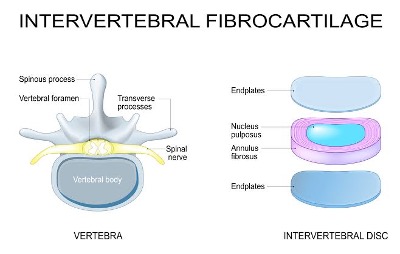
A spinal disc has three main parts:

  • Nucleus pulposus: the inner jelly-like core made mostly of water and collagen
  • Annulus fibrosus: the tough outer ring made of layered fibrocartilage fibers
  • Vertebral endplates: cartilaginous layers that connect the disc to the bone

Spinal discs are extremely durable, but they have one major disadvantage: they are avascular, meaning they do not have their own direct blood supply.

Because of this, discs rely on nutrient diffusion and fluid exchange.

When a disc is torn, compressed, dehydrated, or degenerated, it heals exceptionally slowly or incompletely.

Why the Lumbar Curve Matters

The lower back has a natural curve that helps distribute pressure evenly across the discs.

When that curve is lost or flattened, the discs may be placed under constant uneven mechanical load.

This can interfere with the normal pumping mechanism discs use to absorb fluid and nutrients.

Healthy movement cycles compression and relaxation. This helps pump waste out and draw nutrients in.

When chronic compression blocks this process, the disc can become starved of oxygen, glucose, and water.

Over time, the disc may dry out, lose elasticity, crack, and become more prone to herniation.

2. Ligaments and Tendons: Dense and Unforgiving

Ligaments connect bone to bone. Tendons connect muscle to bone.

Both are made of tightly packed collagen fibers designed for strength and stability, not circulation.

Because they lack a rich capillary network, they look white rather than red. This low vascularity slows tissue repair.

When injured, tendons and ligaments often heal by laying down weaker, disorganized scar tissue instead of flexible collagen.

This scar tissue is less elastic and more prone to re-injury.

Every twist, bend, or step can also place stress on these tissues, creating micro-tears before healing is complete.

3. Healing Timelines by Tissue Type

Because tissues heal differently, recovery timelines vary.

General healing timelines include:

  • Spinal muscles: usually 4 to 6 weeks
  • Tendons and ligaments: often 6 to 12 weeks
  • Spinal discs: often 3 to 12 months

Pain relief does not always mean the tissue is fully healed. This is why symptoms may return when patients stop care too soon or go back to normal activity too quickly.

4. Safe Ways to Promote Tissue Healing

The combination of chiropractic care, spinal decompression, shockwave therapy, and laser therapy can create an effective healing environment.

This multimodal approach helps address the spine’s natural biological limitations, especially the poor blood supply found in spinal discs, ligaments, and tendons.

Chiropractic Care
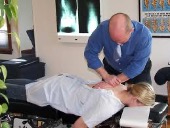
Chiropractic care and spinal decompression for disc injuriesChiropractic adjustments restore proper joint alignment, which reduces uneven mechanical wear and unloads strained ligaments and tendons.

When spinal joints move properly, surrounding tissues experience less irritation and the body can function more efficiently.

Spinal Decompression

Non-surgical spinal decompression applies precise, computer-controlled traction to the vertebrae.
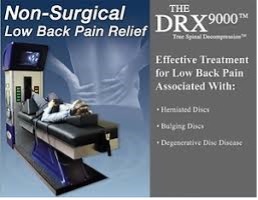
Spinal decompression for back and neck painThis creates negative intradiscal pressure, also known as a vacuum effect.

This vacuum effect may help pull herniated disc material back into place and actively pump water, oxygen, and nutrient-rich fluids into avascular tissues through forced imbibition.

This gives damaged tissues the raw materials needed for cellular repair.

Shockwave Therapy

High-energy shockwave therapy delivers acoustic pulses that break down chronic scar tissue, stimulate localized inflammation, and trigger angiogenesis.

Angiogenesis is the formation of brand-new microscopic blood vessels. This process helps improve circulation in the injured area.
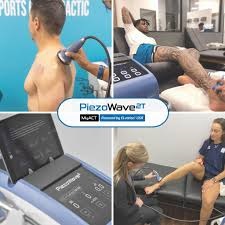
piezowave-treatments

Class IV Laser Therapy

Class IV laser therapy uses specific wavelengths of light to penetrate deep into the spine.

The light energy stimulates cytochrome c oxidase within the cell mitochondria. This process, called photobiomodulation, boosts ATP production.

ATP is the energy source cells need to synthesize new collagen, repair torn fibers, and resolve chronic pain.

Patience Is Part of Healing

Proper management of expectations begins with patient education.

Natural healing is much different than suppressing symptoms. If you are willing to be patient and work with the natural laws of healing, your patience can pay off.

Schedule a Consultation

If your back or neck pain has been lingering, returning, or getting worse, call New Hope Family Chiropractic today.

Call 401-433-3600 to schedule a consultation.

Frozen shoulder pain and limited range of motion

What Is Frozen Shoulder and What Causes It?

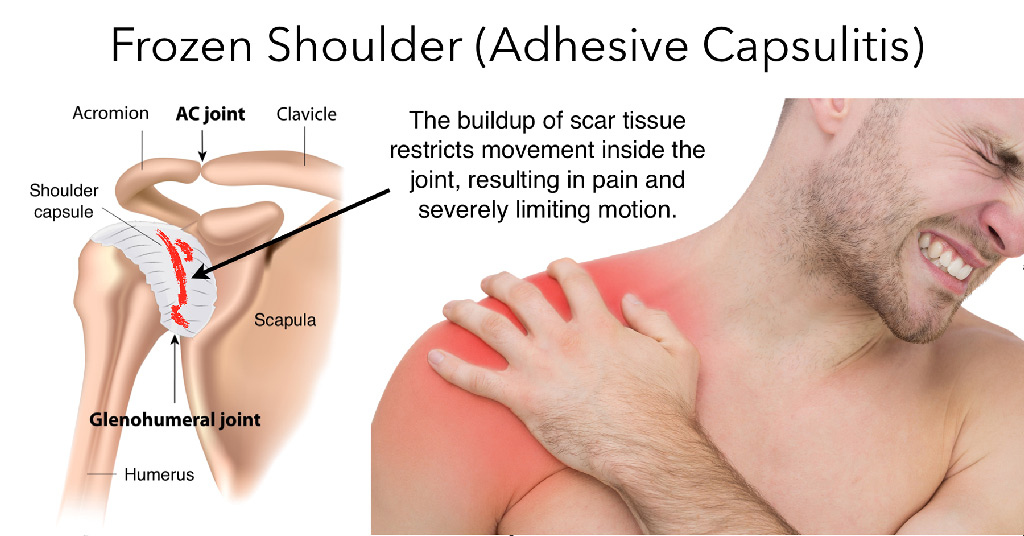
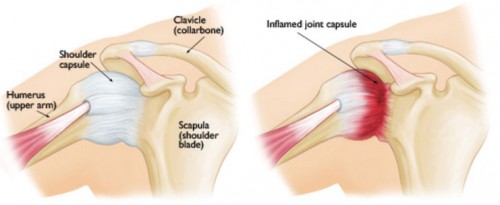
Frozen shoulder, medically known as adhesive capsulitis, is a condition that causes stiffness, severe pain, and progressive loss of range of motion in the shoulder joint.

It occurs when the strong connective tissue surrounding the shoulder joint, called the joint capsule, becomes thick, inflamed, and tightly scarred.

As the capsule contracts, it severely restricts the space available for the humerus, or upper arm bone, to move. This can make everyday activities painful and difficult.
Frozen-Shoulder-Adhesive-Capsulitis

Patients with frozen shoulder often struggle with:

  • Reaching overhead
  • Reaching behind the back
  • Putting on a jacket
  • Sleeping on the affected side
  • Washing or styling hair
  • Lifting the arm normally
  • Performing daily activities

The Three Phases of Frozen Shoulder

Frozen shoulder typically develops in three phases.Frozen-shoulder-adhexive-capsulitis-graph

1. Freezing Phase

This is often the most painful stage.

Pain increases, and range of motion gradually becomes more limited. Patients may notice worsening shoulder pain at night or with shoulder movement.

2. Frozen Phase

During this phase, pain may decrease slightly, but stiffness becomes more severe.

The shoulder may feel locked, restricted, or unable to move normally.

3. Thawing Phase

In the thawing phase, mobility slowly begins to return.

This phase can take time, and many patients benefit from care designed to restore motion, reduce pain, and improve shoulder function.

What Causes Frozen Shoulder?

The exact cause of frozen shoulder is not fully understood, but several risk factors are associated with the condition.

Systemic Diseases

People with diabetes, thyroid disorders, or cardiovascular disease have a higher risk of developing frozen shoulder.

Immobilization

Frozen shoulder can develop after a shoulder injury, rotator cuff tear, stroke, surgery, or any situation where the arm is not moved normally for an extended period of time.

Age and Gender

Frozen shoulder most commonly affects adults between the ages of 40 and 60. It is also more common in women than men.

Standard Medical Treatments for Frozen Shoulder

Traditional medical care focuses on reducing pain in the early stages and restoring motion as the condition progresses.

Common treatment options may include:

Medication

Over-the-counter nonsteroidal anti-inflammatory drugs, such as ibuprofen or naproxen, may be used to temporarily reduce inflammatory pain.

Physical Therapy

Physical therapy is often used to gradually stretch and mobilize the shoulder capsule.

Common exercises may include pendulum exercises, wall-walking movements, and progressive stretching.

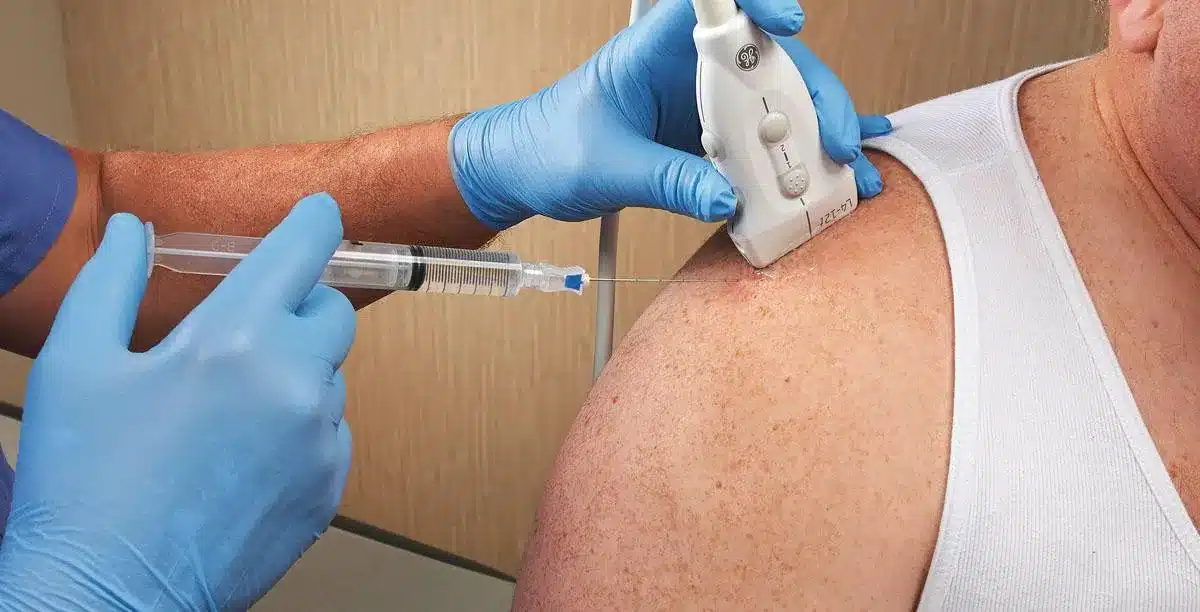
Corticosteroid Injectionspainful shoulder steroid injection

An ultrasound-guided cortisone injection into the joint capsule may help reduce severe pain and inflammation, especially during the freezing stage.

Hydrodilatation

Hydrodilatation involves injecting a high volume of sterile saline and cortisone into the shoulder joint to physically stretch and expand the tight capsule from the inside.

Surgery

In rare, stubborn cases, a surgeon may perform an arthroscopic capsular release to cut through restrictive scar tissue.

Shockwave Therapy for Frozen Shoulder

When traditional conservative treatments do not provide enough relief, advanced non-invasive therapies may be considered.Shockwave Therapy Shoulder Pain Treatment

Extracorporeal Shockwave Therapy, or ESWT, delivers high-energy acoustic sound waves directly into the shoulder capsule.

The intense acoustic energy acts like a precise “blade of sound,” micro-traumatizing dense, fibrotic adhesions to help break up scar tissue.

Shockwave therapy also triggers neovascularization, which is the formation of new blood vessels. This helps flood the oxygen-deprived capsule with healing nutrients.

Research featured in the Journal of Shoulder and Elbow Surgery and BioMed Central demonstrates that shockwave therapy may provide rapid, significant short-term improvements in pain reduction and functional range of motion, specifically abduction and flexion.

Shockwave therapy may also help speed up a patient’s return to normal daily activities.

Laser Therapy for Frozen Shoulder

Laser therapy uses specific wavelengths of light to interact with damaged shoulder tissues.

Low-Level Laser Therapy and High-Intensity Laser Therapy rely on a process called photobiomodulation. Light energy penetrates deep into the soft tissue and stimulates cellular mitochondria to increase ATP production, reduce cellular inflammation, and accelerate collagen repair.

Clinical evidence indicates that laser therapy may help reduce pain scores, calm inflammation, and improve quality-of-life indicators for patients with frozen shoulder.

High-Intensity Laser Therapy, also known as HILT, delivers a higher volume of energy deeper into the dense shoulder fascia. This may produce stronger results in restoring immediate joint mobility and lowering disability scores compared with Low-Level Laser Therapy.

When to Get Help for Frozen Shoulder

Frozen shoulder can take a long time to improve on its own.

If shoulder stiffness, pain, or loss of motion is interfering with your daily life, it is important to get evaluated.

Early care may help reduce pain, protect mobility, and support better shoulder function.

Schedule a Consultation

If you or someone you know has been suffering with frozen shoulder or shoulder pain and is looking for a proven solution, call New Hope Family Chiropractic today for a free, no-obligation consultation to see if you are a candidate for these services.

Call 401-433-3600 to schedule a consultation.
Chronic back pain affecting sleep

The Good, The Bad, and The Ugly of Ignoring Chronic Back Pain

What Happens When You Ignore Chronic Back Pain?

After more than 20 years in practice, I have had the opportunity to see what happens when patients take care of their spine, and what happens when they do not.

Chronic back pain affecting spinal health and mobility
Neglect of the Spine

Many patients begin chiropractic care because they are in pain. After a successful outcome, they feel better and return to normal life. But some patients do not continue with a recommended maintenance care plan.

They may believe the condition will not come back. They may decide the pain was not bad enough to worry about. Some choose not to continue care if insurance does not cover ongoing treatment.

Years later, I often see those same patients return in much worse condition than when they first came in.

Their back pain has returned. Their spinal condition has progressed. Many have gone through medications, injections, nerve ablations, and other procedures that temporarily covered up the pain while the spinal joints continued to deteriorate.

This is why unresolved chronic back pain should not be ignored.

The Good: Spinal Problems Can Often Be Helped

The good news is that many spinal problems respond well to conservative care when they are addressed early and managed properly.

Chiropractic care is designed to restore proper joint alignment and mobility to restricted spinal joints. When spinal segments are misaligned or fixated, they can irritate surrounding nerves, trigger muscle spasms, and restrict normal movement.

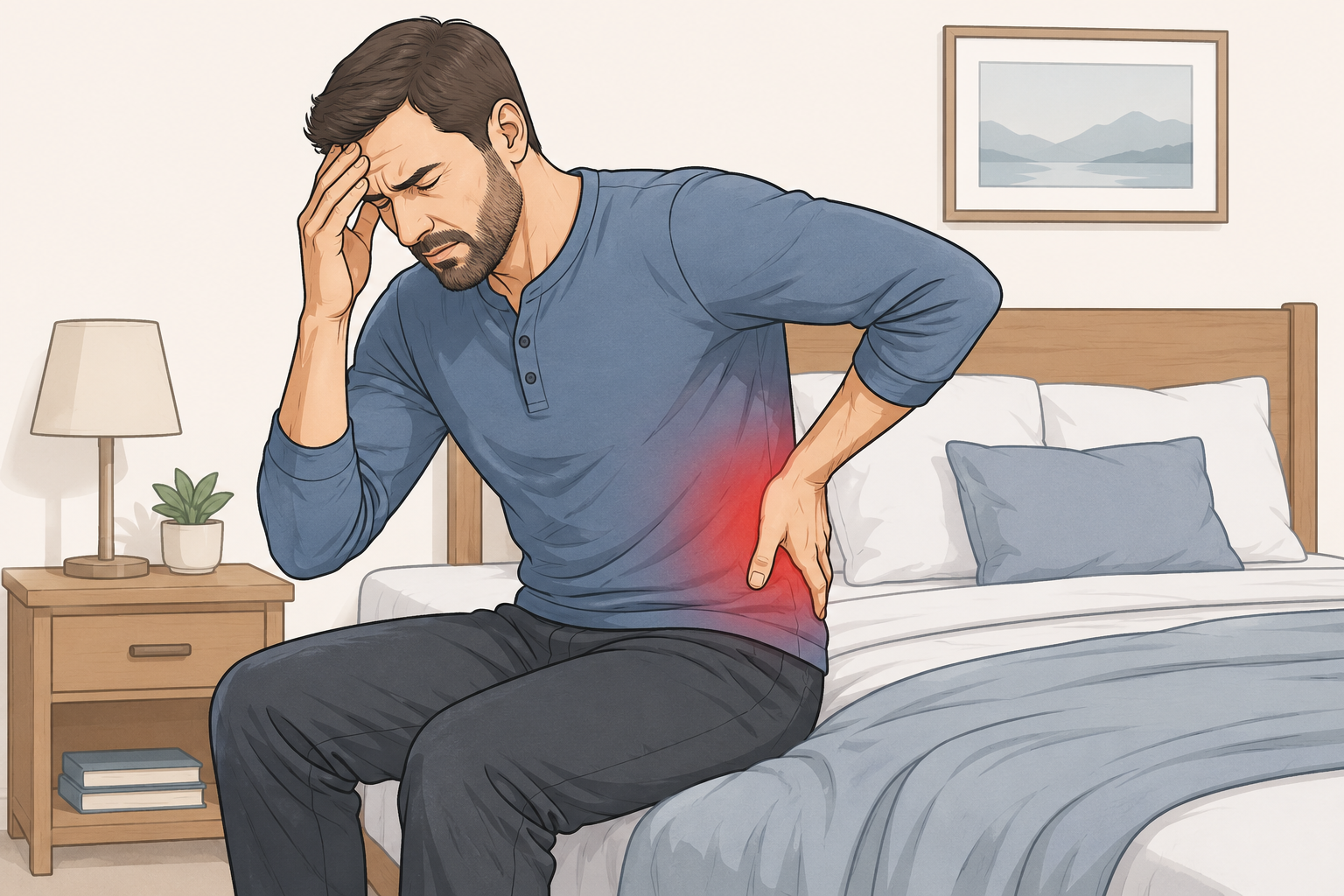
By correcting theMan holding lower back from chronic back painse mechanical issues, chiropractic adjustments may help:

  • Relieve nerve pressure
  • Reduce localized inflammation
  • Improve spinal mobility
  • Decrease muscle guarding
  • Support better movement patterns
  • Help patients return to daily activities

When the spine moves better, the body often functions better.

The Bad: Chronic Back Pain Can Change How You Live

When back pain becomes chronic, it can affect much more than the back.

The most direct impact is often a reduction in physical activity and mobility. Over time, this can lead to muscle weakness, weight gain, poor balance, and a higher risk of falls.

Patients with chronic back pain may begin avoiding:

  • Exercise
  • Walking
  • Bending
  • Lifting
  • Social activities
  • Work tasks
  • Family activities
  • Hobbies they once enjoyed

These changes may seem small at first, but they can slowly reduce quality of life.

Chronic Back Pain and Overall Health

Unresolved chronic lower back pain or spinal pain is strongly associated with an elevated risk of all-cause mortality, particularly in older adults and women.

This does not mean back pain itself is always the direct cause. Instead, chronic back pain can become a sign of broader health decline.

When pain limits movement, activity, sleep, social connection, and independence, it can affect the entire body.

1. Functional Decline and Mobility Loss

The most direct impact of unresolved back pain is reduced mobility.

When movement becomes painful, people move less. Over time, reduced movement can contribute to:

  • Muscle atrophy
  • Weight gain
  • Stiffness
  • Poor balance
  • Higher fall risk
  • Loss of independence

Difficulty with daily tasks, such as walking slower or struggling to rise from a chair, can become part of the larger health risk associated with chronic back pain.

2. Cardiovascular and Metabolic Complications

Persistent pain can trigger a chronic stress response in the body.

This may elevate cortisol and maintain low-grade systemic inflammation. Pain and reduced mobility may also contribute to insulin resistance, obesity, and a higher risk of type 2 diabetes.

Studies have also demonstrated a higher prevalence of ischemic heart disease and cardiac complications among individuals dealing with chronic back pain.

3. Mental Health Effects

Constant pain is mentally exhausting.

People with persistent spinal pain are at least twice as likely to develop major depressive episodes or anxiety disorders.

Chronic pain can also contribute to social isolation. When people stop participating in family gatherings, work, hobbies, and social activities, emotional health often suffers.

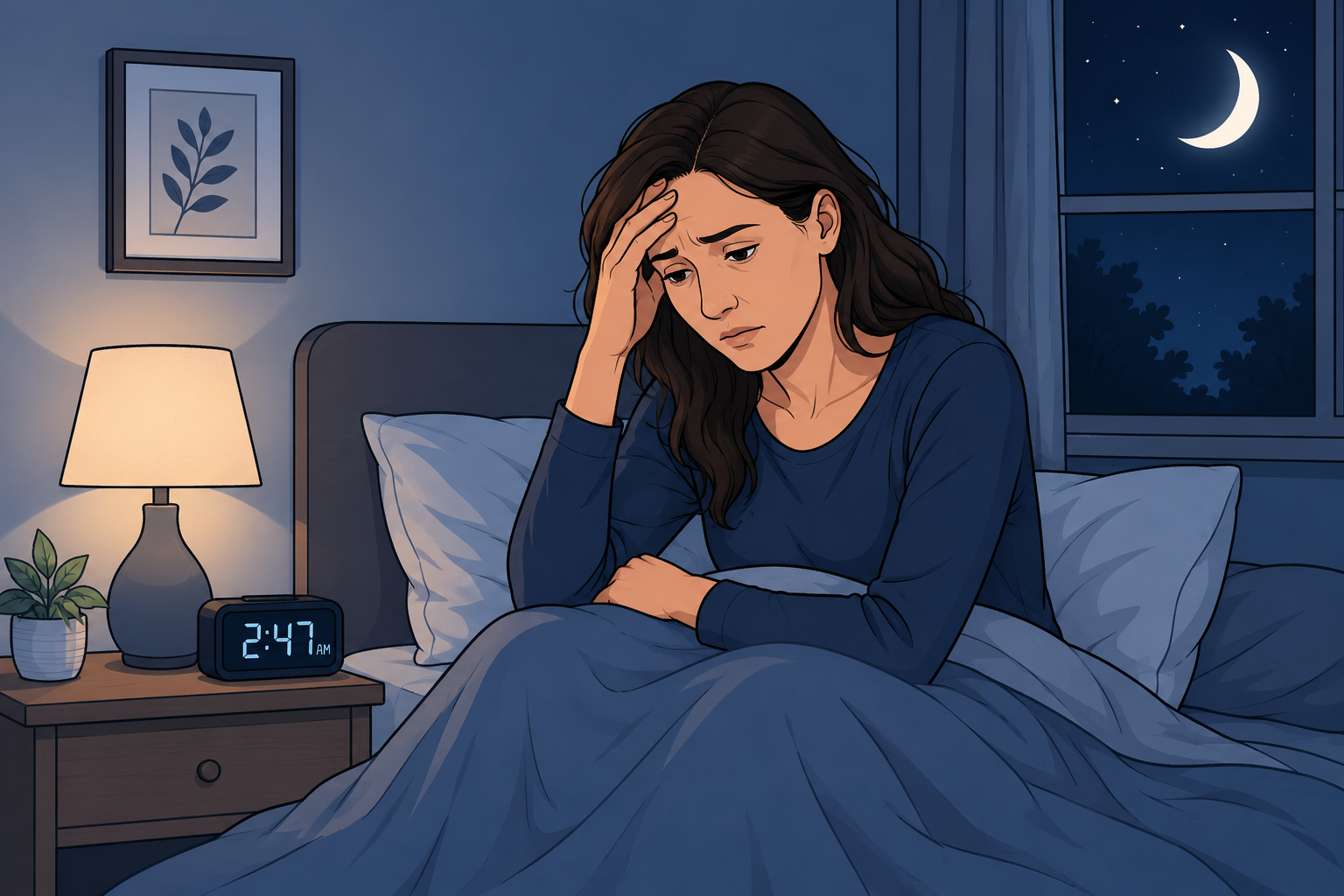
4. Sleep Disturbances and Cognitive Decline

Chronic pain is closely linked to poor sleep. Woman awake at night due to sleep disturbance and pain

Pain can prevent deep, restorative rest, making it harder for the body to heal and regulate inflammation.

Older adults dealing with chronic spinal pain may also experience faster cognitive decline, including changes in memory, processing speed, and attention.

5. Increased All-Cause Mortality

Several large-scale, long-term health studies, such as the English Longitudinal Study of Aging, suggest that individuals suffering from frequent, persistent back pain face a measurable, increased risk of premature death.

Women specifically show a pronounced statistical association between severe back pain and mortality.

These findings emphasize that unresolved back pain often serves as an indicator of systemic, accelerating health decline rather than just an isolated physical inconvenience.

6. The Ugly: Chronic Pain Can Rewire the Nervous System

Chronic back pain can alter the nervous system through a process called central sensitization.

When spinal tissue remains damaged or inflamed, the nerves continue sending distress signals to the central nervous system. Over time, the spinal cord’s signaling pathways can become hypersensitive.

This can cause the nervous system to amplify normal sensations.

Light touch may feel painful. Minor pain may feel severe. The body’s alarm system becomes stuck in a state of high alert.

Chronic pain can also contribute to structural and functional remodeling in the brain, a process known as maladaptive neuroplasticity. This may affect areas responsible for emotional regulation, memory, and cognitive focus.

Why Maintenance Care Matters

In the short term, chiropractic care can help reduce pain and restore mobility.

In the long term, consistent chiropractic care may help protect against progressive spinal degeneration and the health problems associated with inactivity.
maintenance chiropractic care for long-term spinal health

Regular adjustments help preserve spinal motion, support intervertebral disc health, and maintain more even weight distribution across the spine.

By keeping the spine moving well, patients may be better able to stay active, exercise, participate in hobbies, and enjoy family life well into their later years.

Do Not Wait Until Back Pain Controls Your Life

Back pain is not always something you should “just live with.”

If your back pain keeps returning, limits your movement, affects your sleep, or prevents you from doing the things you enjoy, it is time to take it seriously.

Schedule a Consultation

If you or someone you know has been suffering from chronic back pain, sciatica, spinal stiffness, or recurring flare-ups, call New Hope Family Chiropractic today.

Call 401-433-3600 to schedule a consultation.
Natural supplement support for knee pain and inflammation

What Is MSM? The Bioactive “Glue” for Tissue Damage

MSM, short for methylsulfonylmethane, is a naturally occurring sulfur-containing compound found in plants, animals, and humans.

In alternative and complementary medicine, MSM is widely used as a dietary supplement because of its anti-inflammatory and antioxidant properties. It also provides the body with an organic source of sulfur, which is an important building block for healthy joints, connective tissues, and structural proteins such as collagen and keratin.

Because sulfur plays an important role in tissue repair and strength, MSM is often used by people looking to support joint health, reduce stiffness, recover from exercise, and maintain healthy skin, hair, and nails.

Key Benefits of MSM Supplements

MSM is commonly used to support several areas of health, especially joint and connective tissue function.

MSM supplement for joint health and tissue repair

1. Supports Joint Health and Cartilage

MSM may help reduce joint pain, swelling, and stiffness, especially in people dealing with knee osteoarthritis.

It is also known for helping inhibit the breakdown of cartilage, which makes it a common supplement for people looking to support joint comfort and mobility.

2. Helps Muscle Recovery

Athletes and active adults often use MSM to help reduce post-exercise muscle soreness, tissue microtrauma, and oxidative stress.

By supporting the body’s natural recovery process, MSM may help people recover more comfortably after physical activity.

3. May Help Seasonal Allergy Symptoms

MSM may also help reduce localized inflammation related to seasonal allergies.

For some people, daily MSM use may help decrease symptoms such as congestion, coughing, and itchy eyes.

4. Supports Skin, Hair, and Nails

MSM donates sulfur to support keratin, a structural protein found in the skin, hair, and nails.

This may help improve skin elasticity, reduce visible signs of aging such as wrinkles, and support inflammatory skin conditions such as rosacea.

5. Supports Immune Function

MSM may help modulate the body’s inflammatory cytokine response. This means it may help the immune system respond more efficiently when the body is under physical stress or dealing with chronic inflammation.

MSM and Supplement “Stacks”

Natural supplement support for knee pain and inflammation
MSM is often combined with other joint-supportive nutrients.

One of the most common combinations is MSM with glucosamine. Clinical trials reviewed by Arthritis UK suggest that this combination may create a synergistic effect, offering a greater reduction in joint pain, inflammation, and functional disability than taking either supplement alone.

MSM is also commonly paired with:

  • Chondroitin sulfate
  • Turmeric
  • Collagen
  • Glucosamine
  • Other joint-support nutrients

For patients dealing with joint pain, stiffness, or degeneration, these combinations may be part of a broader wellness plan.

Common MSM Dosage

Typical daily therapeutic doses of MSM often range between 1,500 mg and 6,000 mg per day.

Many people divide the dose into two or three smaller servings throughout the day.

The right amount depends on the person, their health history, medications, symptoms, and goals.

Is MSM Safe?

MSM is generally considered well tolerated for many adults. The U.S. FDA gives MSM a Generally Recognized As Safe, or GRAS, designation.

It is water-soluble and has a low toxicity threshold.

However, some people may experience mild side effects, especially when first starting.

Possible side effects may include:

  • Bloating
  • Nausea
  • Diarrhea
  • Mild digestive discomfort

According to the Cleveland Clinic, MSM may also interact with anti-clotting medications such as warfarin or apixaban, or high doses of NSAIDs such as ibuprofen.

Before starting MSM or any new supplement, it is best to speak with a qualified healthcare provider.

MSM Is One Part of a Bigger Health Plan

Supplements may help support the body, but they should not replace proper evaluation, movement, nutrition, hydration, sleep, or care for the underlying cause of pain.

If you are dealing with ongoing joint pain, stiffness, inflammation, or tissue damage, New Hope Family Chiropractic can help you better understand your options.

Schedule a Consultation

If you have questions about joint health, inflammation, nutrition, or chronic pain, call New Hope Family Chiropractic today.

Call 401-433-3600 to schedule a consultation.
New Patient Special - FREE Intersegmental Table Treatments after 4th Visit.Sign Up Today!