Back and neck pain healing timeline for spinal injuries

Why Does Back and Neck Pain Take So Long to Heal?

It is completely normal to feel frustrated when back or neck pain lingers.

Understanding how the spine is built can help explain why spinal injuries often require extra time and patience to truly resolve.

Back and neck pain healing timeline for spinal injuries
The exact timeline for recovery depends on several factors, including:

  • The type of tissue that is damaged
  • The location of the injury
  • The severity of the structural damage
  • How long the problem has been present
  • The amount of daily stress placed on the spine

Blood Supply: The Key to Healing Speed

The main reason many spinal injuries heal slowly comes down to circulation.

  • Muscles Heal More Quickly
    Muscles have an abundant blood supply.

    This rich network delivers oxygen, nutrients, and healing cells to damaged tissue quickly. Because of this, muscle injuries often recover faster than injuries to deeper connective tissues.

  • Discs, Ligaments, and Tendons Heal Slowly
    Spinal discs, ligaments, and tendons are different.

    These dense connective tissues have poor, limited blood supply. They cannot pull nutrients directly from the bloodstream the way muscles can.

    Instead, they rely on slower, passive fluid exchange to repair themselves.

The Spine Never Gets a True Break

In addition to poor nutrient supply, the spine is constantly under mechanical stress.

Even while sitting, standing, walking, driving, sleeping, or working, the spine must handle stress from gravity, posture, and daily movement.

When discs, ligaments, or tendons are injured, this constant stress can slow the healing process.

1. Spinal Discs: The Slower Pump System

A spinal disc is a specialized cushion between the vertebrae. It acts as the spine’s shock-absorbing system.

The disc helps with:

  • Shock absorption
  • Spinal mobility
  • Flexion, bending, and twisting
  • Space maintenance between vertebrae
  • Protection of exiting spinal nerves

What a Spinal Disc Is Made Of

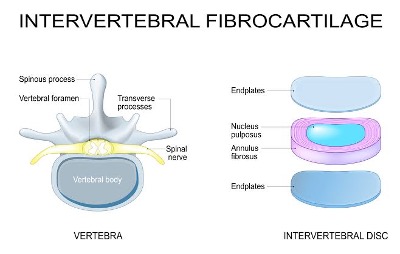
A spinal disc has three main parts:

  • Nucleus pulposus: the inner jelly-like core made mostly of water and collagen
  • Annulus fibrosus: the tough outer ring made of layered fibrocartilage fibers
  • Vertebral endplates: cartilaginous layers that connect the disc to the bone

Spinal discs are extremely durable, but they have one major disadvantage: they are avascular, meaning they do not have their own direct blood supply.

Because of this, discs rely on nutrient diffusion and fluid exchange.

When a disc is torn, compressed, dehydrated, or degenerated, it heals exceptionally slowly or incompletely.

Why the Lumbar Curve Matters

The lower back has a natural curve that helps distribute pressure evenly across the discs.

When that curve is lost or flattened, the discs may be placed under constant uneven mechanical load.

This can interfere with the normal pumping mechanism discs use to absorb fluid and nutrients.

Healthy movement cycles compression and relaxation. This helps pump waste out and draw nutrients in.

When chronic compression blocks this process, the disc can become starved of oxygen, glucose, and water.

Over time, the disc may dry out, lose elasticity, crack, and become more prone to herniation.

2. Ligaments and Tendons: Dense and Unforgiving

Ligaments connect bone to bone. Tendons connect muscle to bone.

Both are made of tightly packed collagen fibers designed for strength and stability, not circulation.

Because they lack a rich capillary network, they look white rather than red. This low vascularity slows tissue repair.

When injured, tendons and ligaments often heal by laying down weaker, disorganized scar tissue instead of flexible collagen.

This scar tissue is less elastic and more prone to re-injury.

Every twist, bend, or step can also place stress on these tissues, creating micro-tears before healing is complete.

3. Healing Timelines by Tissue Type

Because tissues heal differently, recovery timelines vary.

General healing timelines include:

  • Spinal muscles: usually 4 to 6 weeks
  • Tendons and ligaments: often 6 to 12 weeks
  • Spinal discs: often 3 to 12 months

Pain relief does not always mean the tissue is fully healed. This is why symptoms may return when patients stop care too soon or go back to normal activity too quickly.

4. Safe Ways to Promote Tissue Healing

The combination of chiropractic care, spinal decompression, shockwave therapy, and laser therapy can create an effective healing environment.

This multimodal approach helps address the spine’s natural biological limitations, especially the poor blood supply found in spinal discs, ligaments, and tendons.

Chiropractic Care
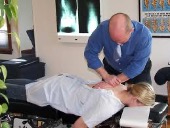
Chiropractic care and spinal decompression for disc injuriesChiropractic adjustments restore proper joint alignment, which reduces uneven mechanical wear and unloads strained ligaments and tendons.

When spinal joints move properly, surrounding tissues experience less irritation and the body can function more efficiently.

Spinal Decompression

Non-surgical spinal decompression applies precise, computer-controlled traction to the vertebrae.
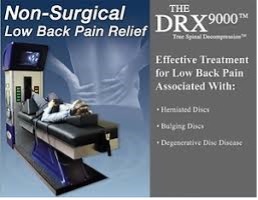
Spinal decompression for back and neck painThis creates negative intradiscal pressure, also known as a vacuum effect.

This vacuum effect may help pull herniated disc material back into place and actively pump water, oxygen, and nutrient-rich fluids into avascular tissues through forced imbibition.

This gives damaged tissues the raw materials needed for cellular repair.

Shockwave Therapy

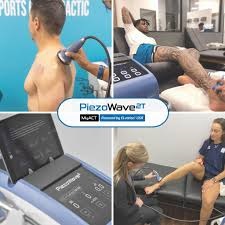
High-energy shockwave therapy delivers acoustic pulses that break down chronic scar tissue, stimulate localized inflammation, and trigger angiogenesis.

Angiogenesis is the formation of brand-new microscopic blood vessels. This process helps improve circulation in the injured area.
piezowave-treatments

Class IV Laser Therapy

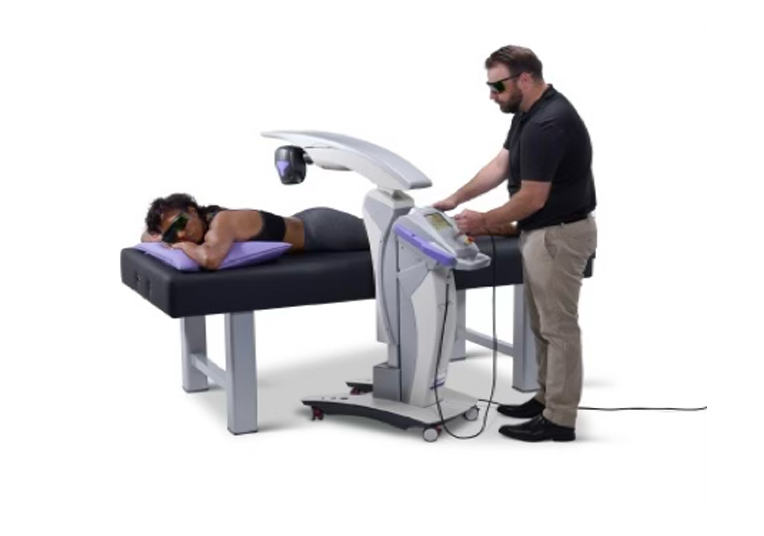
Class IV laser therapy uses specific wavelengths of light to penetrate deep into the spine.

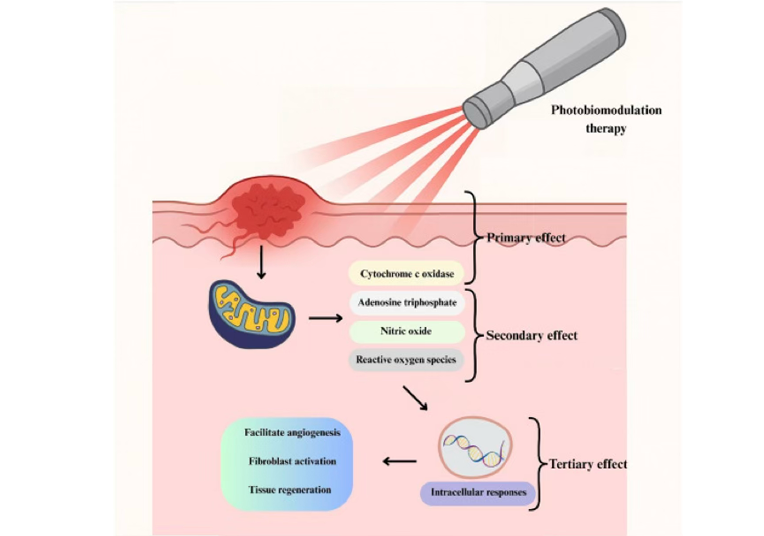
The light energy stimulates cytochrome c oxidase within the cell mitochondria. This process, called photobiomodulation, boosts ATP production.

ATP is the energy source cells need to synthesize new collagen, repair torn fibers, and resolve chronic pain.

Patience Is Part of Healing

Proper management of expectations begins with patient education.

Natural healing is much different than suppressing symptoms. If you are willing to be patient and work with the natural laws of healing, your patience can pay off.

Schedule a Consultation

If your back or neck pain has been lingering, returning, or getting worse, call New Hope Family Chiropractic today.

Call 401-433-3600 to schedule a consultation.
M7-Multiwave-Locked-System-MLS-Laser

Drug-Free, Non-Surgical Solutions for Common Musculoskeletal Conditions

cutting-edge-laser-technologies

New Hope Family Chiropractic

The most common musculoskeletal conditions people seek care for are arthritis-related conditions (especially osteoarthritis) and low back pain. In many cases, these issues are avoidable and preventable—much like tooth decay—when addressed early with the right education and care.

Musculoskeletal conditions are one of the leading reasons for medical visits in the United States, accounting for over 130 million patient visits each year. These conditions don’t just cause pain—they limit mobility, independence, and overall quality of life.


Common Musculoskeletal Conditions We See

M7-Multiwave-Locked-System-MLS-Laser

Arthritis

Arthritis is one of the most prevalent chronic conditions and a leading cause of disability.

  • Osteoarthritis (OA) – The most common form of arthritis, often referred to as “wear-and-tear” arthritis. It involves the breakdown of joint cartilage and most commonly affects the knees, hips, spine, and hands.
  • Rheumatoid Arthritis (RA) – An autoimmune condition that causes joint inflammation and can lead to joint deformity if left unmanaged.

Low Back Pain & Neck Pain

Spinal conditions—especially low back pain—are among the most common reasons for primary care and occupational medicine visits.

Trauma & Injuries

Includes fractures, sprains, strains, and ligament or tendon tears resulting from falls, accidents, or sports injuries.

Tendinitis & Tendinopathy

Inflammation or degeneration of tendons caused by overuse or repetitive motion, such as:

  • Tennis elbow
  • Swimmer’s shoulder
  • Achilles tendinopathy

Why Musculoskeletal Pain Shouldn’t Be Ignored

Musculoskeletal pain is a major public health concern and a leading cause of chronic pain and disability. As the saying goes:

You are only as young as your back and knees feel.

Conventional medical approaches often rely on medications that mask symptoms, may produce harmful side effects, and do not address the underlying cause. Surgical options such as joint replacement are invasive and not always successful.


Our Drug-Free, Non-Invasive Approach

At New Hope Family Chiropractic, I offer proven, non-invasive, drug-free therapies designed to reduce pain and help restore joint and tissue health.

Two of our most effective treatments include:

Both therapies are FDA-approved and clinically proven for treating arthritic and musculoskeletal conditions. When combined, results are often impressive.


How These Therapies Work

Piezo-Wave Therapy (Shockwave Therapy / ESWT)

This therapy delivers high-energy sound waves into injured tissues to stimulate the body’s natural healing response by:

  • Activating mechanotransduction (converting mechanical force into biochemical signals)
  • Creating cavitation (microbubble formation and collapse)
  • PhotobiomodulationPromoting:
    • Cell regeneration
    • Collagen production
    • New blood vessel growth (angiogenesis)
  • Desensitizing nerve endings to reduce pain


Laser Therapy (Photobiomodulation)

Laser therapy promotes healing through four primary mechanisms:

  1. Increases cellular energy (ATP) for tissue repair
  2. Reduces inflammation by altering inflammatory signaling
  3. Improves circulation for better oxygen and nutrient delivery
  4. Modulates pain by blocking pain signals and releasing endorphins


Conditions Treated with Piezo-Wave & Laser Therapy

1. Plantar Fasciitis

A common cause of heel pain. Shockwave therapy is FDA-approved for this condition, while laser therapy reduces inflammation and promotes tissue repair.

2. Achilles Tendinopathy / Tendinitis

A painful foot and ankle condition common in active individuals. These therapies reduce inflammation, stimulate healing, and restore function.

3. Tennis Elbow (Lateral & Medial Epicondylitis)

A chronic overuse injury that responds exceptionally well to combined Piezo-Wave and laser therapy.

4. Shoulder Pain, Rotator Cuff Injuries & Frozen Shoulder

Including calcific tendonitis and restricted mobility. These therapies help break up calcifications, reduce inflammation, and restore motion.

5. Trigger Points & Chronic Myofascial Pain (Including Fibromyalgia)

Piezo-Wave helps locate and deactivate painful trigger points, while laser therapy reduces muscle tension and inflammation.

6. Sprains & Strains

Soft tissue injuries heal faster through increased collagen production and improved tissue repair.

7. Back Pain & Sciatica

Targets nerve irritation and muscle spasms, improving mobility and reducing pain from disc issues and sciatica.

8. Arthritis & Degenerative Joint Conditions

Including knees, hips, and hands—these therapies reduce inflammation, alleviate pain, and support cartilage health.

Additional uses include:
Post-surgical pain and swelling, bursitis, neuropathy, neuromas, and other musculoskeletal disorders.


Schedule Your Free Consultation

If you are struggling with chronic pain, want to reduce or eliminate medications, or avoid surgery, I invite you to schedule a no-obligation free consultation to see if these therapies are right for you.

📞 Call today: 401-433-3600

Let’s get you moving—and feeling—better naturally.


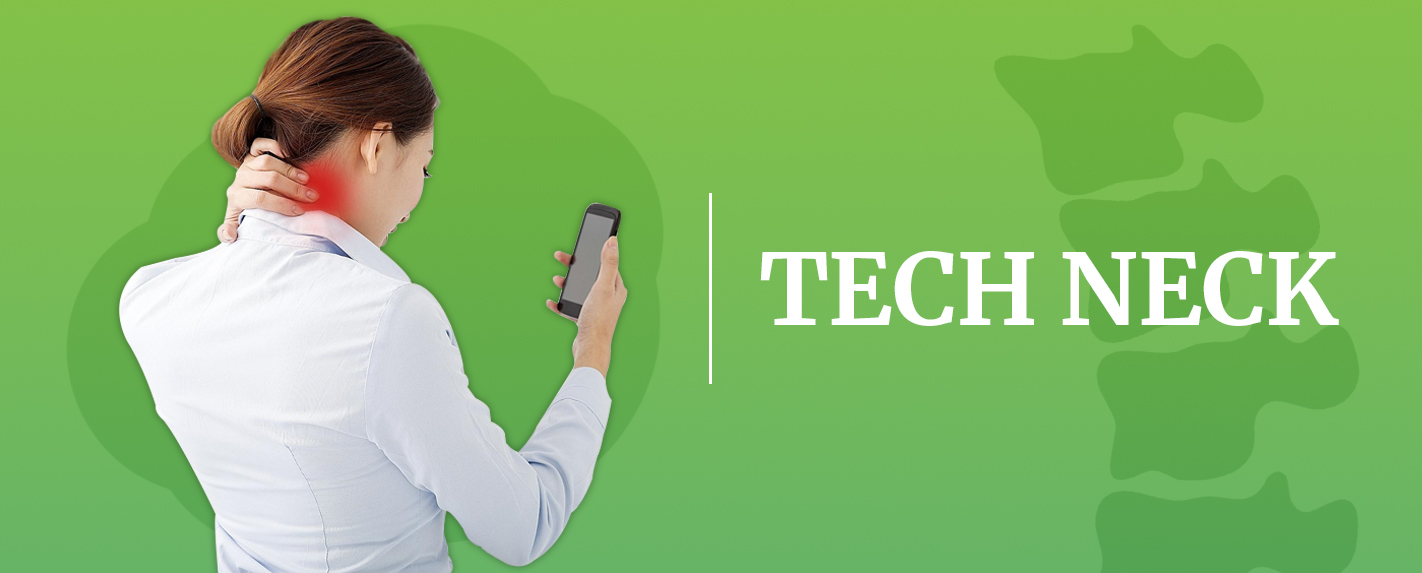
What the Heck is Tech Neck?

In January 2007 a revolutionary new product was introduced to the market that changed how people interacted in all forms of daily activities.  Today the smartphone is in everybody’s hands all day and people are looking down at their phone 3 to 6 hours a day.  As a result, a new condition has been coined Tech Neck for those people who have been complaining about neck pain, upper back pain, and numbness in their arms and hands.

Tech Neck is caused by continuously putting the head and neck in the unusual position of looking down for extended periods of time.

Let’s look at the anatomy of the neck and how looking down all the time leads to bio-mechanical and degenerative changes to the spine and associated problems like neck pain, upper back pain, shoulder pain, and radiculopathy in the arms and hands.

Looking at a person from the side, the ear should be over the shoulder and the neck should have a 63-degree forward curve.  The curve of the neck is very important because it distributes the weight of the head throughout the curve of the spine providing a springing effect. The head weighs 13 to 18 pounds depending on the size of the person.  The head sits on top of the neck which acts like a long lever arm creating compressive forces on the disc and vertebral bone when looking down.  When looking down the muscles, ligaments, and tendons of the neck have to work harder to support the weight of the head.  The compressive forces of the head on the disc and vertebra accelerate degeneration of the disc and vertebra leading to very early arthritis and other conditions not normally seen in younger people.  It does not take long for a person to begin to develop a tech neck.  Pro long periods of daily looking down at your cell phone or some other handheld device will quickly lead to tech neck or the reversing of the cervical curve.

Allopathic physicians are seeing an explosion of young people coming into their offices with complaints of neck pain, headaches, shoulder pain, and numbness in the arms and hands.  These patients are prescribed rounds of anti-inflammatory medications, muscle relaxers, and headache medications that help to relieve the symptoms but do not correct the cause of the problem.

It does not matter how much medication you take or how much you stretch or try to strengthen the muscles of your neck and upper back, the problem will not go away until the curve of the neck is restored.  I have helped many young and old with this condition.  If you want to get relief and restore the natural curve of your neck you can click on this link or call my office today and schedule an appointment.

If you have been faced with Tech Neck issues and are looking for some resolution, please contact us by calling our office at 401-433-3600 or schedule a new patient exam appointment online.

New Patient Special - FREE Intersegmental Table Treatments after 4th Visit.Sign Up Today!