upper back pain

Conquering Upper Back Pain

A Drug-Free, Non-Surgical Approach to Lasting Relief

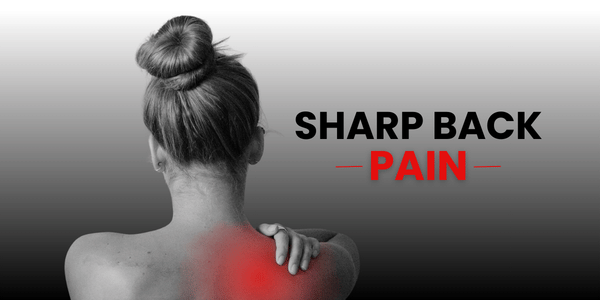
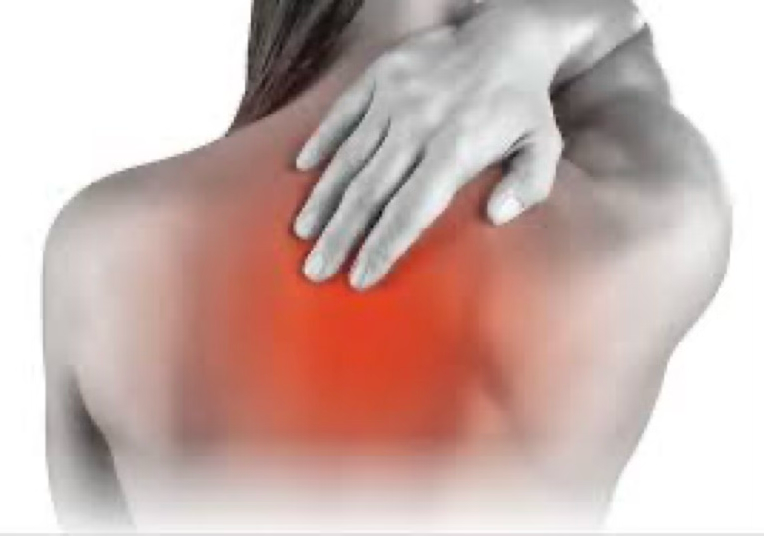
Upper back pain can feel like an unwelcome guest that refuses to leave. Whether it shows up as tight muscles, a dull ache between your shoulder blades, or a sharp stabbing knot after a long day at your desk, this type of discomfort can affect your focus, sleep, posture, and overall energy. Read more about the upper back pain treatment options provided by New Hope Family Chiropractic.

Today, the approach to treating upper back pain has evolved. Instead of simply masking symptoms with medication, many patients are turning to integrative, technology-based care that addresses the root cause of the problem.

At New Hope Family Chiropractic, I combine three powerful therapies to treat upper back pain from multiple angles:upper back pain

  • Chiropractic Care – restores structural alignment

  • Shockwave Therapy – breaks up deep muscle knots and adhesions

  • Laser Therapy – accelerates cellular healing and reduces inflammation

Together, these treatments help relieve pain while supporting long-term healing and improved function.


Chiropractic Care: Restoring Proper Spinal Alignment

Many cases of upper back pain originate from mechanical problems in the thoracic spine—the section of the spine connected to your ribs.

When these vertebrae become misaligned, they can place pressure on nearby nerves and force surrounding muscles to overcompensate.

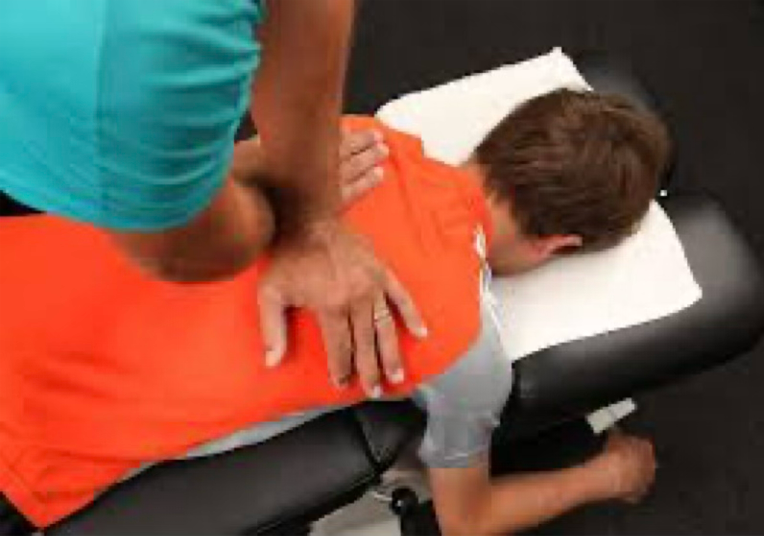
chiropractic adjustment

This can lead to:

  • Chronic muscle tension

  • Burning or throbbing pain

  • Pain between the shoulder blades

  • Discomfort that radiates into the ribs or chest

Chiropractic adjustments use precise manual techniques to restore proper alignment in the spine. By correcting these misalignments, pressure on spinal nerves is reduced and the surrounding muscles can finally relax.

Correcting the Cause

Beyond adjustments, chiropractic care also focuses on identifying the underlying habits contributing to the problem. Poor posture, prolonged computer use, and “tech neck” are common causes of upper back pain.

Your provider may recommend:

  • Ergonomic workstation changes

  • Targeted stretches

  • Strengthening exercises for the upper back and shoulders

These strategies help prevent pain from returning.


Shockwave Therapy: Breaking Up Deep Muscle Knots

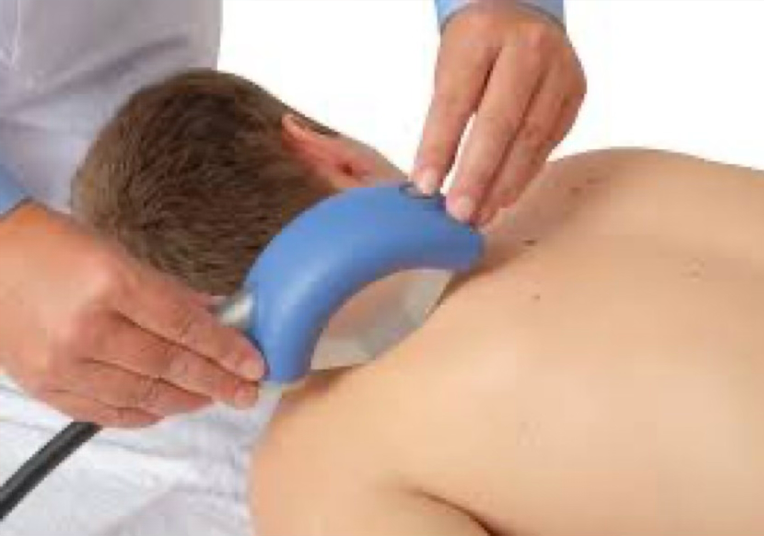
If you have ever felt a tight knot in your upper back that massage cannot fully reach, you may be dealing with deep trigger points or fibrotic scar tissue.shockwave treatment

This is where Extracorporeal Shockwave Therapy (ESWT) can be highly effective.

How Shockwave Therapy Works

A handheld device delivers high-energy acoustic waves into the affected tissue. These pulses penetrate deep into the muscle to:

  • Break up knots and adhesions

  • Disperse inflammatory substances

  • Stimulate circulation and metabolism

  • Trigger the body’s natural healing response

The therapy creates small, controlled micro-stimulations within the tissue. This signals the body to restart the healing process in areas where chronic pain has stalled recovery.

Shockwave therapy is particularly effective for:

  • Chronic muscle trigger points

  • Calcified deposits

  • Scar tissue that limits range of motion

Most chronic conditions respond best to a series of 6–12 treatments.


Laser Therapy: Stimulating Cellular Healing

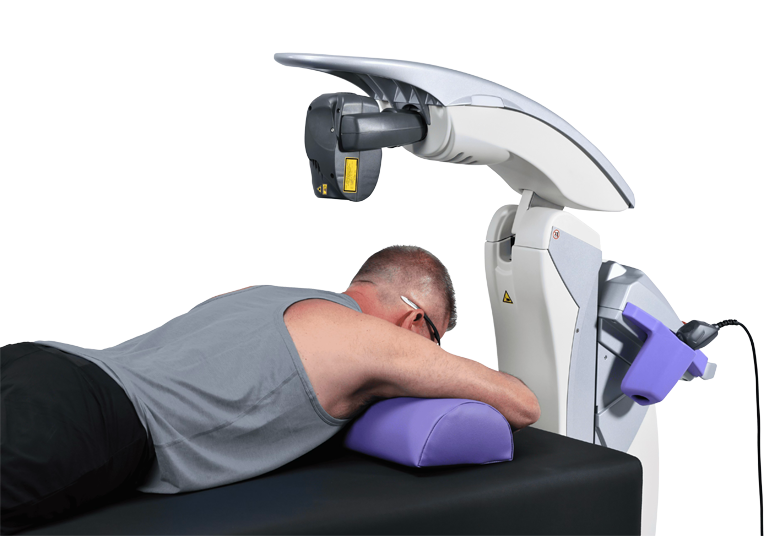
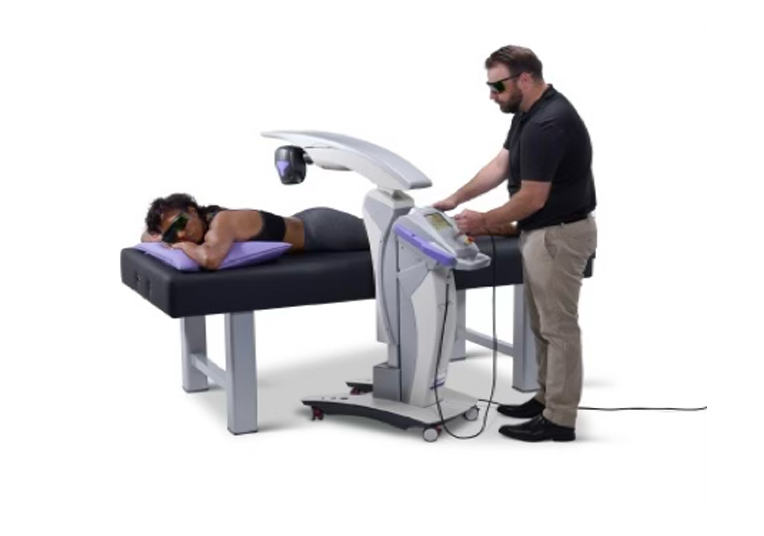
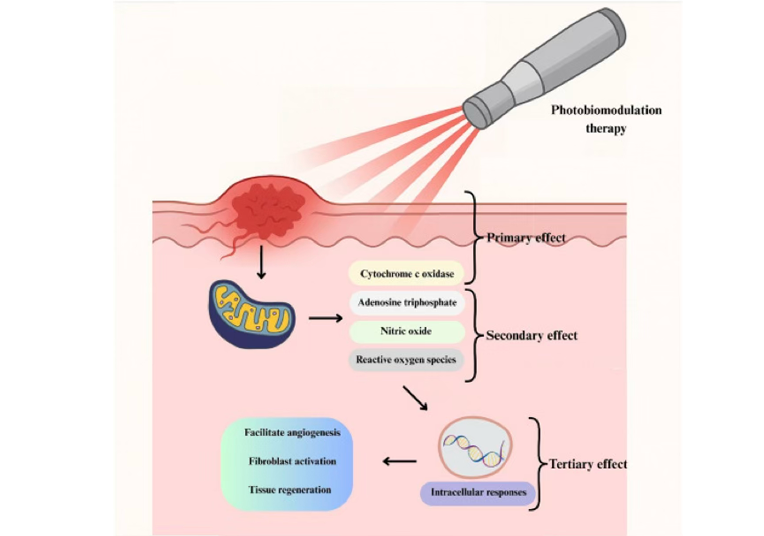
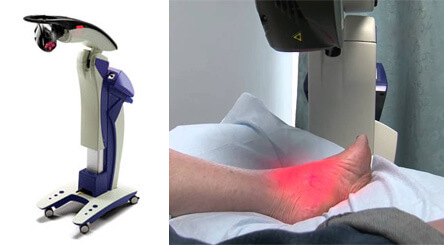
While chiropractic adjustments restore structure and shockwave therapy addresses muscle knots, Class IV Laser Therapy (Photobiomodulation) works at the cellular level.laser therapy

Concentrated wavelengths of therapeutic light penetrate deep into the tissue and reach the mitochondria, the energy centers within your cells.

What Laser Therapy Does

Laser therapy helps the body heal by:

  • Increasing ATP production (cellular energy)

  • Reducing inflammation

  • Improving circulation and oxygen delivery

  • Stimulating tissue repair

  • Releasing endorphins, the body’s natural pain relievers

Many patients notice a rapid reduction in inflammation and pain, making laser therapy a soothing and effective component of treatment.


Why an Integrated Treatment Approach Works Best

The greatest advancement in modern musculoskeletal care is the synergy created when these therapies are combined.

Each treatment addresses a different aspect of the problem:

  • Shockwave Therapy breaks up physical blockages in the soft tissue

  • Chiropractic Adjustments restore spinal alignment once muscles are no longer overly tight

  • Laser Therapy reduces inflammation and accelerates tissue repair

Together, this comprehensive approach helps:

  • Relieve pain

  • Restore mobility

  • Improve posture

  • Support long-term healing

  • Prevent recurring flare-ups

Rather than simply covering up symptoms, this integrated strategy addresses the structural, mechanical, and cellular causes of upper back pain.


Schedule Your Free Consultation

If you are struggling with persistent upper back pain and want to move beyond temporary relief, an integrated upper back pain treatment approach may be the solution.

Call my office today to schedule a free, no-obligation consultation and learn whether chiropractic therapy care, shockwave therapy, and laser therapy are right for you.

401-433-3600


M7-Multiwave-Locked-System-MLS-Laser

Drug-Free, Non-Surgical Solutions for Common Musculoskeletal Conditions

cutting-edge-laser-technologies

New Hope Family Chiropractic

The most common musculoskeletal conditions people seek care for are arthritis-related conditions (especially osteoarthritis) and low back pain. In many cases, these issues are avoidable and preventable—much like tooth decay—when addressed early with the right education and care.

Musculoskeletal conditions are one of the leading reasons for medical visits in the United States, accounting for over 130 million patient visits each year. These conditions don’t just cause pain—they limit mobility, independence, and overall quality of life.


Common Musculoskeletal Conditions We See

M7-Multiwave-Locked-System-MLS-Laser

Arthritis

Arthritis is one of the most prevalent chronic conditions and a leading cause of disability.

  • Osteoarthritis (OA) – The most common form of arthritis, often referred to as “wear-and-tear” arthritis. It involves the breakdown of joint cartilage and most commonly affects the knees, hips, spine, and hands.
  • Rheumatoid Arthritis (RA) – An autoimmune condition that causes joint inflammation and can lead to joint deformity if left unmanaged.

Low Back Pain & Neck Pain

Spinal conditions—especially low back pain—are among the most common reasons for primary care and occupational medicine visits.

Trauma & Injuries

Includes fractures, sprains, strains, and ligament or tendon tears resulting from falls, accidents, or sports injuries.

Tendinitis & Tendinopathy

Inflammation or degeneration of tendons caused by overuse or repetitive motion, such as:

  • Tennis elbow
  • Swimmer’s shoulder
  • Achilles tendinopathy

Why Musculoskeletal Pain Shouldn’t Be Ignored

Musculoskeletal pain is a major public health concern and a leading cause of chronic pain and disability. As the saying goes:

You are only as young as your back and knees feel.

Conventional medical approaches often rely on medications that mask symptoms, may produce harmful side effects, and do not address the underlying cause. Surgical options such as joint replacement are invasive and not always successful.


Our Drug-Free, Non-Invasive Approach

At New Hope Family Chiropractic, I offer proven, non-invasive, drug-free therapies designed to reduce pain and help restore joint and tissue health.

Two of our most effective treatments include:

Both therapies are FDA-approved and clinically proven for treating arthritic and musculoskeletal conditions. When combined, results are often impressive.


How These Therapies Work

Piezo-Wave Therapy (Shockwave Therapy / ESWT)

This therapy delivers high-energy sound waves into injured tissues to stimulate the body’s natural healing response by:

  • Activating mechanotransduction (converting mechanical force into biochemical signals)
  • Creating cavitation (microbubble formation and collapse)
  • PhotobiomodulationPromoting:
    • Cell regeneration
    • Collagen production
    • New blood vessel growth (angiogenesis)
  • Desensitizing nerve endings to reduce pain


Laser Therapy (Photobiomodulation)

Laser therapy promotes healing through four primary mechanisms:

  1. Increases cellular energy (ATP) for tissue repair
  2. Reduces inflammation by altering inflammatory signaling
  3. Improves circulation for better oxygen and nutrient delivery
  4. Modulates pain by blocking pain signals and releasing endorphins


Conditions Treated with Piezo-Wave & Laser Therapy

1. Plantar Fasciitis

A common cause of heel pain. Shockwave therapy is FDA-approved for this condition, while laser therapy reduces inflammation and promotes tissue repair.

2. Achilles Tendinopathy / Tendinitis

A painful foot and ankle condition common in active individuals. These therapies reduce inflammation, stimulate healing, and restore function.

3. Tennis Elbow (Lateral & Medial Epicondylitis)

A chronic overuse injury that responds exceptionally well to combined Piezo-Wave and laser therapy.

4. Shoulder Pain, Rotator Cuff Injuries & Frozen Shoulder

Including calcific tendonitis and restricted mobility. These therapies help break up calcifications, reduce inflammation, and restore motion.

5. Trigger Points & Chronic Myofascial Pain (Including Fibromyalgia)

Piezo-Wave helps locate and deactivate painful trigger points, while laser therapy reduces muscle tension and inflammation.

6. Sprains & Strains

Soft tissue injuries heal faster through increased collagen production and improved tissue repair.

7. Back Pain & Sciatica

Targets nerve irritation and muscle spasms, improving mobility and reducing pain from disc issues and sciatica.

8. Arthritis & Degenerative Joint Conditions

Including knees, hips, and hands—these therapies reduce inflammation, alleviate pain, and support cartilage health.

Additional uses include:
Post-surgical pain and swelling, bursitis, neuropathy, neuromas, and other musculoskeletal disorders.


Schedule Your Free Consultation

If you are struggling with chronic pain, want to reduce or eliminate medications, or avoid surgery, I invite you to schedule a no-obligation free consultation to see if these therapies are right for you.

📞 Call today: 401-433-3600

Let’s get you moving—and feeling—better naturally.


Is Your Pillow Causing Neck Pain? Find Out and Get the Right Solution

I often get asked by patients—at least three to four times a month—whether their pillow could be the cause of their neck pain. My response is always to ask, “Do you experience neck pain before going to bed?” If the answer is no, then the pillow is likely the culprit. However, if the answer is yes, the issue may be a spinal condition rather than the pillow itself.

When it’s determined that the pillow is the problem, patients usually want to know what type of pillow I recommend. Should it be a large pillow? Two pillows stacked? A pillow with a head cradle? Maybe a water pillow, memory foam, or even the classic feather-filled option?

The truth is, people come in all different shapes and sizes, so a one-size-fits-all pillow simply doesn’t work. Just as you know your shoe or shirt size, it makes sense to be measured for the right pillow. I’ve partnered with a company that offers high-quality pillows tailored to your specific measurements. These pillows are designed to support your neck and cradle your head, maintaining the natural curve and angle of your neck whether you sleep on your back or side. The material is crafted to hold its shape, providing consistent support.


These pillows are available in seven different sizes, accommodating people of all body types, from small to large. Now, when a patient visits my office with a neck condition potentially caused by improper pillow use, I measure their neck, shoulders, and the length from the mastoid to the A.C. joint to ensure they receive the correct pillow size. The satisfaction rate has been 99%.

If you’re experiencing neck or shoulder discomfort and are looking for a solution, contact my office for a chiropractic exam. We’ll determine whether your condition is chiropractic in nature or if you simply need to be fitted for a properly sized pillow.

Can I adjust myself?

While it’s technically possible to attempt to adjust your own spine or joints, it’s generally not recommended.  What you are doing is moving the bone that is mobile and not the bone that is fixated.  The fixated bone is the one that needs to be adjusted.  It is not recommended to have your friend try to adjust you, step on you or walk on your back.  You run the risk of making the condition worse.  Chiropractic adjustments should be performed by trained professionals who have a deep understanding of anatomy, physiology, and proper adjustment techniques

Attempting to adjust your own spine or joints could potentially lead to injury or exacerbate existing issues. Additionally, without the proper knowledge and training, you are not qualified to accurately diagnose the underlying cause of the condition or correct the misalignment.

If you’re experiencing pain or discomfort or just not feeling right, it’s best to consult with a qualified chiropractor who can provide appropriate treatment and guidance tailored to your specific needs.

Dr. Rodger B. Lincoln D.C. New Hope Family Chiropractic 401-433-3600.  Qualified Spinal Technician using the Gonstead Technique of Chiropractic


Gonstead Chiropractic: A Comprehensive Approach to Spinal Health

The Gonstead Chiropractor takes spinal assessments to the next level, going beyond the standard evaluation to pinpoint the root cause of back or neck problems. Gonstead-trained chiropractors use a comprehensive approach that includes five specific criteria to detect the presence of vertebral subluxation.

Understanding Vertebral Subluxation

A vertebral subluxation occurs when a vertebra loses its normal position and/or movement relative to its neighboring vertebrae. If left untreated, this misalignment can progress into a vertebral subluxation complex. Gonstead chiropractors are extensively trained to identify and address the five components of a vertebral subluxation, collectively known as the “subluxation complex.”

The Five Components of a Vertebral Subluxation Complex:

  1. Kinesiopathology
    Loss of normal vertebral positioning and movement in relation to neighboring vertebrae.
  2. Myopathology
    Pathological changes in the spinal muscles, including hypertonicity, spasms, fibrosis, weakness, and improper function.
  3. Neuropathology
    Irritation or injury to spinal nerve roots through compression, stretching, or chemical irritation from nearby spinal structures.
  4. Histopathology
    Pathological changes in spinal tissues such as abnormal bony growths, fibrosis, adhesions of spinal muscles and ligaments, and degeneration of spinal discs.
  5. Pathophysiology
    Biochemical changes in the spinal region, including the release of inflammatory chemicals and waste products from injured tissues.

For effective healing and successful rehabilitation, each component of the subluxation must be addressed. While it’s not necessary for patients to fully understand each element, it’s important to recognize the complexity of the subluxation complex. Pain is just a small aspect of most conditions, and relying solely on pain as an indicator for treatment can be misleading since it often subsides before complete tissue healing and mechanical normalization occur.

The 5 Methods a Gonstead Chiropractor Uses to Detect and Correct Subluxations:

  1. Visualization
    Visualization allows the chiropractor to cross-reference other findings. The Gonstead chiropractor is skilled in observing subtle changes in posture and movement, which may indicate problems. They also examine the skin on the back for signs like muscle tightness, spasms, edema, elevations, and discoloration.
  2. Instrumentation
    The Nervoscope is a tool used by Gonstead chiropractors to detect uneven heat distributions along the spine, which can indicate inflammation and nerve pressure. The instrument uses two thermocouples to scan the length of the spine, identifying areas with hot spots caused by inflammation.
  3. Static Palpation
    This technique involves feeling the spine while it is in a stationary position. The chiropractor checks for swelling, tenderness, and any abnormal texture or tightness in the muscles and other tissues.
  4. Motion Palpation
    Motion palpation involves examining the spine while it is moving or bending at different angles. This helps the chiropractor assess how each segment of the spine moves and identify any areas with restricted or abnormal motion.
  5. X-Ray Analysis
    X-ray imaging provides a complete view of the spine’s structure. It allows the chiropractor to evaluate posture, joint and disc integrity, vertebral misalignments, and rule out any underlying pathologies or fractures. These weight-bearing, full-spine X-rays substantiate examination findings and guide the chiropractor in determining the precise adjustments needed.

When these five components are utilized, the likelihood of a successful outcome is significantly increased.

The Gonstead Adjustment

Once the chiropractor identifies the areas requiring adjustment and determines the specific direction of the adjustment, a precise chiropractic adjustment is performed. The Gonstead technique focuses on being as specific and accurate as possible, targeting only the subluxated areas.

Great care is taken to ensure the adjustment is biomechanically correct, with a precise thrust designed to provide the most accurate and comfortable adjustment possible. The goal of the Gonstead chiropractor is to restore and maintain optimal health by correcting any interference in the nervous system caused by vertebral subluxations.

About Gonstead Chiropractic at New Hope Family Chiropractic

At New Hope Family Chiropractic, Dr. Lincoln practices exclusively the Gonstead technique at his two locations in East Providence and Pawtucket. For comprehensive spinal care tailored to your needs, reach out to us at 401-433-3600.

Resources for this blog are attributed to The Gonstead Clinical Studies Society, dedicated to continuing the teachings of the legendary Clarence S. Gonstead, D.C.

The Absence of Pain Does Not Mean Full Recovery: Understanding Soft Tissue Injury Treatment

It’s a common misconception that the absence of pain means an injury is fully healed. However, standard spinal healthcare treatment plans often recommend 24 to 36 sessions to fully resolve spinal complaints. Let’s explore some key factors that impact recovery time and why a comprehensive approach is essential for healing soft tissue injuries.

Factors Influencing Recovery Time:

  1. Severity of Injury
    The extent of damage plays a significant role in determining how long recovery will take. Minor strains or sprains involving muscles, ligaments, and tendons may heal within approximately 90 days. In contrast, more severe injuries, such as tears or ruptures in spinal discs, could take anywhere from 120 to 180 days for full recovery.
  2. Location of Injury
    The recovery time may vary depending on the injury’s location. Some areas of the body receive better blood supply, enhancing their healing capabilities, while other areas with less blood flow may require a longer time to heal.
  3. Age
    Younger individuals generally recover faster from injuries due to their bodies’ higher regenerative capacity. As we age, tissue repair mechanisms slow down, and overall health status may decline, which can result in a longer healing process.
  4. Overall Health and Fitness
    Good physical health and fitness levels can greatly aid in recovery. Individuals who maintain good circulation, muscle strength, and flexibility tend to heal faster compared to those with lower fitness levels.
  5. Nutrition
    Proper nutrition is essential for tissue repair and regeneration. A balanced diet rich in protein, vitamins, and minerals supports the body’s healing processes, ensuring it has the necessary resources to rebuild and repair damaged tissues.
  6. Rest and Activity Balance
    Finding the right balance between rest and activity is crucial for optimal recovery. Rest allows the body time to repair, while controlled movement and physical therapy promote circulation and prevent stiffness, aiding in a smoother recovery.
  7. Treatment
    Timely and appropriate treatment plays a key role in recovery. This may involve various approaches like rest, ice, compression, and elevation (RICE), chiropractic care, or even surgical intervention, depending on the injury’s severity.
  8. Medical History
    Existing medical conditions or previous injuries can impact the body’s ability to heal. Chronic conditions such as diabetes or autoimmune disorders may impair the healing process, potentially extending recovery time to 24 months or more in severe cases.
  9. Compliance with Rehabilitation
    Following the treatment plan and rehabilitation program prescribed by healthcare professionals is essential for optimal recovery. Consistency with chiropractic sessions and therapies helps restore strength, improve function, and facilitate the remodeling of soft tissues.
  10. Psychological Factors
    A person’s mental and emotional state can significantly influence recovery. Maintaining a positive attitude, managing stress, and seeking psychological support can help individuals navigate the challenges of recovery and promote healing.

Holistic Approach to Recovery

The interplay of these factors shows that recovery from soft tissue injuries is complex and influenced by various elements. Addressing these factors holistically—through proper treatment, lifestyle adjustments, and mental well-being—can optimize the healing process and lead to a more effective and efficient recovery.

Are Your Feet Causing Your Back Problems

Let’s be honest, most people never give their feet a second thought unless they hurt much less associate their back pain or hip pain with their feet.  Unless you are a podiatrist or a chiropractor trained in the proper biomechanics of the foot, ankle, knee, hip, and pelvis you may suffer needlessly not knowing that a simple orthotic can correct the cause of foot, ankle, knee, hip, and lower back pain.

Let’s look at the anatomy of the foot and how the foot should work to prevent problems up the kinetic chain.  The foot consists of 26 bones of eight distinct types, the tarsals, metatarsals, phalanges, cuneiforms, talus, navicular, and cuboid bones. These bones are held in place by ligaments and are moved by tendons and muscles.  When looking at the foot from the side you notice that the portion of the foot is arched and that arch is maintained by fascia.  The plantar fascia or plantar aponeurosis is a thick connective tissue that supports the arch of the foot. The aponeurosis attaches to the calcaneus and the heads of the metatarsal bones.  When you wear shoes that do not support the arches of the foot the aponeurosis will stretch out and the foot will lose its arches and this will lead to problems with the foot, ankles, knees, hips, and back.


There is only one company that takes a digital and laser scan of the bottom of your foot and produces a custom fit 3 arch supporting orthotic.  Supporting only one of the three arches will fall short of the support your foot needs.  If you are having foot, ankle knee, hip, or lower back problems you should consider getting your feet checked.   Call my office or click on the link below to schedule an appointment to get your spine and feet checked.  


I’ve been Diagnosed with a bulging Disc in My Back. Can Chiropractic help me???

So, you have been diagnosed with a bulging disc in your lower back and you have been told you need to have surgery or you could end up in a wheel chair for the rest of your life if you don’t have surgery.  I have heard this line many times from my patients.   

A bulging disc is a common finding on an MRI exam and most times you are not even aware you have a bulging disc.  A bulging disc is something you do not want to ignore because it can become a very serious problem.  Let’s look at what a disc is, where they are found, what can cause a bulging disc, why it can lead to significant problems and how to avoid surgery.

Disc are found between your vertebra (Spinal bones) at each level of the spine and the disc allow the spine to move.   Disc are very strong, pliable and durable; however, they can wear out and break down with over use.  Activities such as repetitive bending, lifting, twisting, carrying and even prolong sitting can weaken the structures of a disc so that the outer edges of the disc begin to stretch and bulge outward.   A disc does not have a nerve supply, it is like your finger nails or your hair.  You don’t feel pain when you cut your finger nails or your hair.  You only know your disc is bulging when the bulge is pressing on a spinal nerve.

A bulging disc can be pushed back into place allowing the anulus (outer ring) of the disc the opportunity heal.  A well placed and proper chiropractic adjustment can move the disc back into place allowing the disc to properly heal.

If a bulging disc is allowed to persist and is not treated it can cause sciatica and over time will break down, deform and can eventually herniate.  If it herniates chiropractic treatments are a good starting point to help return normal function to your spine.  If the disc is too far-gone surgery may be your only option.   Waiting is not a good option.

If you have been diagnosed with a bulging disc or you are having back pain and would like relief, click on the link below for an appointment or call my office Monday thru Friday 8am to 6pm. 

Can You Help Me With My Shoulder Pain??

I walked into my exam room and sat down to do a consultation with a prospective patient.   He told he had a shoulder problem a long time and the medication wasn’t helping anymore and he heard chiropractic could help with his shoulder.

He began to tell me “I have been getting a lot of pain around the back of my shoulder.  I can not sleep on it at night because it hurts too much.  It hurts to raise my arm above my shoulder and it is tending toward getting worse as I get older.  I am getting pain when I turn my head to the right or look up.”  He wanted to know how it was related to his spine and how chiropractic could help him.

I explained to him that every part of the body is controlled by the nerves that travel from the brain through the spinal column to every organ and muscle of the body.  Any pressure or irritation to the nerve is going to cause dysfunction or pain.  The nerves from the neck and upper back control the shoulder girdle, arms and hands.  If there is pain going on in the neck or upper back there is a good chance the shoulders and arms are going to be affected. 

This is usually a neck or upper back related condition.  I have seen patients with this condition many times and always have good success with these patients.  There is the occasional patient that will have a torn rotator cuff that is caught during orthopedic checks.  These patients I will refer to an orthopedic doctor for further evaluation to determine if the tear is bad enough that surgery is required.   If you are having a shoulder condition and need help or an evaluation, call my office or click on the link to schedule an appointment.

Should my Chiropractor ask me to take my shirt off?

Should my Chiropractor ask me to take my shirt off when being seen for an exam or before being treated?  The simple answer to that question is yes.

A real chiropractor treats a condition known as vertebral subluxation.  A vertebral subluxation occurs when a vertebra has lost its normal position with the neighboring vertebra. Left untreated it will result in a vertebral subluxation complex.  There are 5 factors that determine if you have a vertebral subluxation complex going on.  Three of those five factors should be assessed by visually inspecting the back.

When the shirt is off and the spine/back is exposed, a properly trained chiropractor can see indications of a misaligned vertebra in the spine.   These indicators may include abnormal skin creases, elevations, and curves.  The loss of proper motion or ranges of motion of the vertebrae can be viewed with the shirt off.

Myopathological changes can only be fully assessed by viewing the exposed skin of the spine/back.  Taunt and tender muscles and muscle spasms or cramps will be visible when confirming the presence of a subluxation.  The visual aspect will also help the chiropractor in determining which vertebra is the one that is causing the problem.

Histopathological changes to the spine are changes associated with damage to the soft tissue around the spinal joint.  When the soft tissue is injured, the damaged tissue will weep a lytic enzyme which can be viewable as swelling and edema.  This inspection of the soft tissue can only be done when the patient is exposing the skin.

A Gonstead doctor will use an instrument on you called a Nervoscope the is designed to show areas of inflammation by the use of thermocouples.  The inflammation is produced by the histopathological and myopathology changes to the joint.   These areas of inflammation will usually coincide with subluxations of X-rays of your spine.

A lot of important information can be found when visualizing the exposed tissue of the spine and much can be missed when not viewing the spine.  A true Gonstead Chiropractor is trained to look for clues during the assessment to determine the cause of your problem and for the solution to your problem.  Women patients should be asked to wear gowns and men to remove their shirt or they can wear a gown if they choose too.  This will allow the doctor to perform a better assessment of your spine and provide a better treatment of your condition.

New Patient Special - FREE Intersegmental Table Treatments after 4th Visit.Sign Up Today!