cutting edge laser technology

Drug-Free, Non-Surgical Solutions for Common Musculoskeletal Conditions

New Hope Family Chiropractic

The most common musculoskeletal conditions people seek care for are arthritis-related conditions (especially osteoarthritis) and low back pain. In many cases, these issues are avoidable and preventable—much like tooth decay—when addressed early with the right education and care.

Musculoskeletal conditions are one of the leading reasons for medical visits in the United States, accounting for over 130 million patient visits each year. These conditions don’t just cause pain—they limit mobility, independence, and overall quality of life.


Common Musculoskeletal Conditions We See

Arthritis

Arthritis is one of the most prevalent chronic conditions and a leading cause of disability.

  • Osteoarthritis (OA) – The most common form of arthritis, often referred to as “wear-and-tear” arthritis. It involves the breakdown of joint cartilage and most commonly affects the knees, hips, spine, and hands.
  • Rheumatoid Arthritis (RA) – An autoimmune condition that causes joint inflammation and can lead to joint deformity if left unmanaged.

Low Back Pain & Neck Pain

Spinal conditions—especially low back pain—are among the most common reasons for primary care and occupational medicine visits.

Trauma & Injuries

Includes fractures, sprains, strains, and ligament or tendon tears resulting from falls, accidents, or sports injuries.

Tendinitis & Tendinopathy

Inflammation or degeneration of tendons caused by overuse or repetitive motion, such as:

  • Tennis elbow
  • Swimmer’s shoulder
  • Achilles tendinopathy

Why Musculoskeletal Pain Shouldn’t Be Ignored

Musculoskeletal pain is a major public health concern and a leading cause of chronic pain and disability. As the saying goes:

You are only as young as your back and knees feel.

Conventional medical approaches often rely on medications that mask symptoms, may produce harmful side effects, and do not address the underlying cause. Surgical options such as joint replacement are invasive and not always successful.


Our Drug-Free, Non-Invasive Approach

At New Hope Family Chiropractic, I offer proven, non-invasive, drug-free therapies designed to reduce pain and help restore joint and tissue health.

Two of our most effective treatments include:

Both therapies are FDA-approved and clinically proven for treating arthritic and musculoskeletal conditions. When combined, results are often impressive.


How These Therapies Work

Piezo-Wave Therapy (Shockwave Therapy / ESWT)

This therapy delivers high-energy sound waves into injured tissues to stimulate the body’s natural healing response by:

  • Activating mechanotransduction (converting mechanical force into biochemical signals)
  • Creating cavitation (microbubble formation and collapse)
  • Promoting:
    • Cell regeneration
    • Collagen production
    • New blood vessel growth (angiogenesis)
  • Desensitizing nerve endings to reduce pain

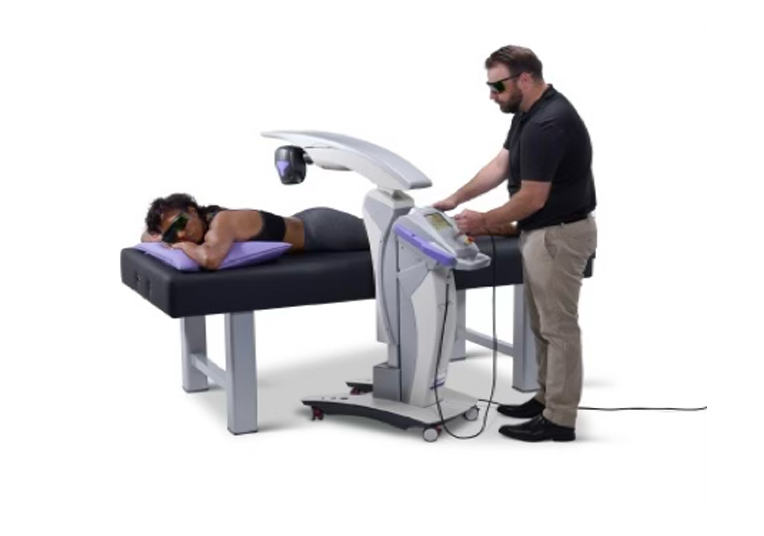
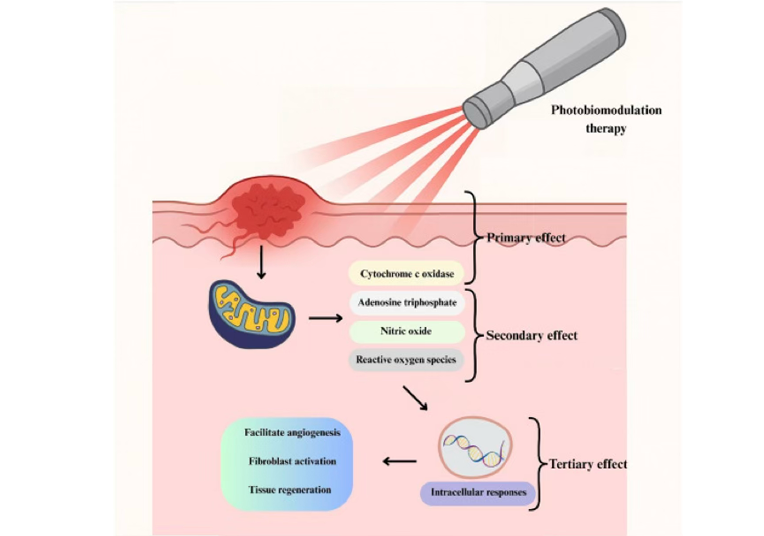
Laser Therapy (Photobiomodulation)

Laser therapy promotes healing through four primary mechanisms:

  1. Increases cellular energy (ATP) for tissue repair
  2. Reduces inflammation by altering inflammatory signaling
  3. Improves circulation for better oxygen and nutrient delivery
  4. Modulates pain by blocking pain signals and releasing endorphins

Conditions Treated with Piezo-Wave & Laser Therapy

1. Plantar Fasciitis

A common cause of heel pain. Shockwave therapy is FDA-approved for this condition, while laser therapy reduces inflammation and promotes tissue repair.

2. Achilles Tendinopathy / Tendinitis

A painful foot and ankle condition common in active individuals. These therapies reduce inflammation, stimulate healing, and restore function.

3. Tennis Elbow (Lateral & Medial Epicondylitis)

A chronic overuse injury that responds exceptionally well to combined Piezo-Wave and laser therapy.

4. Shoulder Pain, Rotator Cuff Injuries & Frozen Shoulder

Including calcific tendonitis and restricted mobility. These therapies help break up calcifications, reduce inflammation, and restore motion.

5. Trigger Points & Chronic Myofascial Pain (Including Fibromyalgia)

Piezo-Wave helps locate and deactivate painful trigger points, while laser therapy reduces muscle tension and inflammation.

6. Sprains & Strains

Soft tissue injuries heal faster through increased collagen production and improved tissue repair.

7. Back Pain & Sciatica

Targets nerve irritation and muscle spasms, improving mobility and reducing pain from disc issues and sciatica.

8. Arthritis & Degenerative Joint Conditions

Including knees, hips, and hands—these therapies reduce inflammation, alleviate pain, and support cartilage health.

Additional uses include:
Post-surgical pain and swelling, bursitis, neuropathy, neuromas, and other musculoskeletal disorders.


Schedule Your Free Consultation

If you are struggling with chronic pain, want to reduce or eliminate medications, or avoid surgery, I invite you to schedule a no-obligation free consultation to see if these therapies are right for you.

📞 Call today: 401-433-3600

Let’s get you moving—and feeling—better naturally.

 

Should I see a Chiropractor or go to Physical Therapy???

A patient case scenario “My back has been hurting for the past 6 months and getting worse so I decided to see my medical doctor for help.  After telling my doctor about my lower back and how it has been hurting, he gave me a prescription for anti-inflammatory medication, muscle relaxers, and a prescription for physical therapy.   I asked about going to a chiropractor, and he told me he didn’t know anything about chiropractic and I could try it if I wanted to but to be careful”.

This is a very common scenario because most people and medical doctors don’t know what a chiropractor treats.  Most people think that chiropractors treat back and neck pain which is just a symptom of what it is they treat.  A chiropractor treats a condition called a Subluxation.  A subluxation is a misalignment of a vertebra or combination of vertebrae in the spine that leads to nerve irritation which can cause a whole host of unwanted symptoms like back and neck pain.   Any joint in the body can subluxate and can be treated by a proficient chiropractor.  The sacrum/tailbone or ilium/hipbone are common nonspinal bones that can be subluxated and cause lower back and sciatic pain.  Many back surgeries that have an unsuccessful outcome are because the problem lies in the sacrum or sacral iliac joint and not in the spine.

Physical therapist treats back and neck problems and a host of other physical conditions.  Their goal is to rehabilitate the soft tissue (muscles, ligaments, tendons) of the body that are responsible for moving the joint and supporting the joint.  Physical therapy plays in important part in helping patients recover from soft tissue injuries and surgeries.  All chiropractors are also Doctors of Physiotherapy which provide the same function as physical therapy type work.  Most state insurance regulations do not allow chiropractors to bill for Physiotherapy so they do not practice physiotherapy which is an unfair practice.  If the spine is out of alignment (subluxated) it must be put back into alignment to correct the cause of the condition.  If the subluxation is not corrected the condition will persist.  No stretching, strengthening, medication, or surgery is going to correct a subluxation.

If you are having back pain don’t expect your medical doctor to refer you to a chiropractor.  You don’t need a referral to see a chiropractor.  Start with a chiropractor first and get your spine checked.  If it is not a misalignment problem your chiropractor will refer you to a Physical Therapist.   If you are having persistent back or neck problem click on the link or call my office to get your spine checked.

Why it is Important to Stick to Your Prescribed Treatment Plan

Look For a Successful Out Come?

treatment plan is a detailed plan tailored to the individual needs and objectives of the patient.  While the contents of the treatment plan may not be what the patient had envisioned, it is what the patient needs.

Chiropractic has been around and practiced for 125 years. Out of those years of clinical experience and studies, it has been objectively proven that when a treatment plan is developed and followed as prescribed, the patient’s outcome is significantly better.

A treatment plan is developed from the doctor’s findings obtained during your consultation, exam and analysis of your x-rays.   The doctor will also consider other factors when determining the number of treatments you will need.  These will include your age, how long your condition has persisted, the severity of the symptoms and your overall health.  Your outcome will be directly related to your adherence of your prescribed treatment plan.


A treatment plan is broken up into phases with notable milestones that build off of each other to obtain your stated objectives.  Your stated objectives are determined during your initial consultation with your doctor.  The first phase is referred to as the Relief Phase of Care in which the goal is to control, minimize or relieve the symptoms. Depending on how serve your condition is and the soft tissue involved, you can be treated every day or every other day until your condition normalizes.  This can be as short as one week or as long as 6 to 8 weeks.  Most patients experience steady improvement during this initial phase of care. In some cases, the condition may temporarily get worse before it gets better.  Patience and persistence will be key to a successfully outcome.  Your doctor may prescribe other modalities to help relieve symptoms, reduce inflammation and speed up the healing process.  Some cases may require removal from work, limiting activities and bed rest for several days.


The second phase is the Healing and Correction Phase.  The pain and inflammation that motivated you to see the doctor must be reduced and under control before healing of soft tissue and correction of the misalignment in the spine begins.  Soft tissue is what holds the vertebra of the spine in place.  Injuries or over-use causes it to break down and results in inflammation, spasms, misalignment and neuritis.    Soft tissue of the spine consists of ligaments, tendons, discs, nerves and muscles.  Soft tissues of the spine take 90 to 120 days to fully heal.  The objective of the Healing and Corrective Phase as prescribed is to continue with the healing of the spinal soft tissue, prevent re-occurrence of symptoms and the correction of spinal misalignment.  The goal of this phase is to continue the healing process and prevent a relapse.    Stopping your treatment plan once the pain is gone generally leads to re-occurrences of the condition.  Skipping and missing treatments reduce the effectiveness of the treatments and limits or prevents a successful outcome.


The final phase of your prescribed treatment plan (Strengthen and Correction Phase) is designed to continue the correction of misalignment and strengthen the soft tissue of the spine to prevent the re-occurrences of flare ups.  Propper strengthening and stretching exercises will be prescribed to help to restore normal ranges of motion and strengthen the soft tissues of the spine.


It is important for you to understand the importance of maintaining a healthy spine.  Spinal pain will limit all phases of your life if you let it.  Please understand that a treatment plan is not developed based on what your health insurance will cover or your schedule.  It is based on what you need to be well again.

New Patient Special - FREE Intersegmental Table Treatments after 4th Visit.Sign Up Today!