
Understanding Peripheral Neuropathy
Here is your fully formatted, copy-edited blog post—aligned with your established structure, tone, and doctor-first voice, plus SEO elements at the end.
A Comprehensive, Drug-Free Approach to Nerve Pain and Recovery
Peripheral neuropathy is a condition that occurs when the nerves outside of the brain and spinal cord—the peripheral nervous system—become damaged or disrupted.
This system acts as a messaging highway, carrying signals between the brain, spinal cord, and the rest of the body. When these nerves are not functioning properly, patients often experience symptoms in a characteristic “glove and stocking” pattern, affecting the hands and feet.
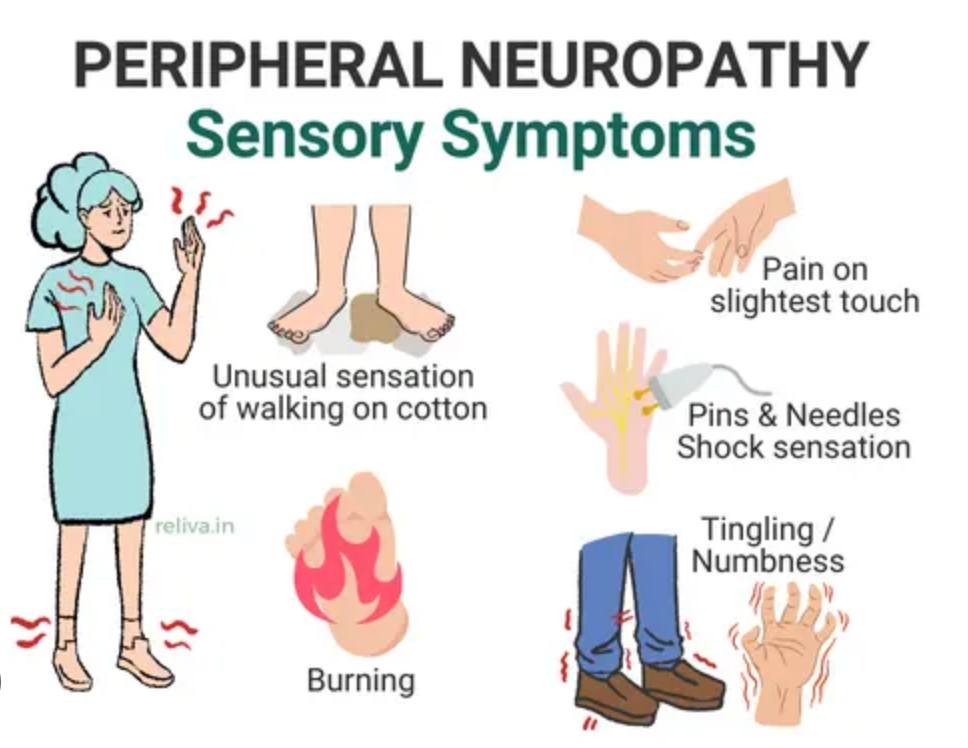
Common symptoms include:
- Burning or stabbing pain
- Numbness and tingling
- Muscle weakness
- Increased sensitivity to touch
These symptoms can significantly impact daily function, mobility, and overall quality of life.
Common Causes of Peripheral Neuropathy
There are over 100 different types of peripheral neuropathy, but most fall into two categories: acquired or inherited.
Diabetes
The leading cause of neuropathy in the United States. Chronically elevated blood sugar damages the small blood vessels that supply nutrients to the nerves.
Nutritional Deficiencies
Deficiencies in key nutrients—especially B vitamins (B1, B6, B12), Vitamin E, and copper—can lead to nerve degeneration and impaired function.
Toxins & Alcohol Use
Excessive alcohol consumption is directly toxic to nerve tissue. Exposure to heavy metals such as lead or mercury, as well as certain industrial chemicals, can also cause nerve damage.
Autoimmune Conditions
Diseases such as lupus, rheumatoid arthritis, and Guillain-Barré syndrome can cause the immune system to mistakenly attack healthy nerve tissue.
Trauma & Physical Injury
Accidents, falls, or repetitive stress (such as prolonged typing or repetitive motion) can compress, stretch, or damage nerves.
A Comprehensive Approach to Neuropathy Treatment
Successfully managing peripheral neuropathy requires a multi-layered approach that addresses both the underlying cause and the symptoms.
At New Hope Family Chiropractic, I focus on drug-free, integrative solutions that support nerve healing and improve function.
Diet & Nutritional Support
Nutrition plays a critical role in reducing inflammation and supporting nerve repair.
Anti-Inflammatory Diet
Focus on whole, nutrient-dense foods such as:
- Leafy greens
- Berries
- Colorful vegetables
- Omega-3-rich fish (salmon, sardines)
These foods help reduce pro-inflammatory cytokines, which contribute to nerve irritation and pain.
Key Supplements for Nerve Health
- Alpha-Lipoic Acid (ALA) – Supports nerve conduction and reduces pain
- Acetyl-L-Carnitine – Promotes cellular energy and nerve regeneration
- B-Complex Vitamins (especially B12) – Essential for maintaining the protective myelin sheath around nerves
Laser Therapy for Nerve Repair
Class IV Laser Therapy (MLS Laser Therapy) uses targeted light wavelengths to penetrate deep into tissue and stimulate healing at the cellular level.
Through a process called photobiomodulation, laser therapy:
- Increases ATP (cellular energy production)
- Improves microcirculation
- Delivers oxygen and nutrients to damaged nerves
- Helps interrupt pain signals
This therapy supports both pain reduction and tissue repair.
Shockwave Therapy (EPAT)
Extracorporeal Pulse Activation Technology (EPAT) uses acoustic pressure waves to stimulate healing in damaged tissue.
Shockwave therapy helps:
- Improve blood flow
- Activate metabolic healing pathways
- Promote new blood vessel formation (neovascularization)
- Reduce chronic pain
Clinical studies suggest that many neuropathy patients experience significant improvement in symptoms with this treatment approach.
Electrical Analgesic Therapy
Electrical stimulation therapies, such as TENS (Transcutaneous Electrical Nerve Stimulation), provide temporary relief by blocking pain signals.
More advanced electrical treatments may also help regulate nerve activity and reduce overactive pain signaling, although these approaches primarily focus on symptom management rather than structural healing.
A Drug-Free Approach to Neuropathy Care
Peripheral neuropathy can be complex, but with the right combination of therapies, many patients experience meaningful improvement.
At New Hope Family Chiropractic, I take a comprehensive, drug-free approach that focuses on:
- Reducing inflammation
- Supporting nerve regeneration
- Improving circulation
- Restoring function
I am now certified in the treatment of Peripheral Neuropathy and am currently accepting patients seeking natural, non-invasive solutions.
Schedule Your Free Consultation
If you or someone you know is experiencing symptoms of peripheral neuropathy and looking for a drug-free approach to care, I invite you to schedule a consultation.
📞 Call today: (401) 433-3600