mls laser therapy

High-Tech Healing – Laser Therapy for Plantar Fasciitis and Carpal Tunnel

If you’ve been struggling with sharp heel pain, persistent foot discomfort, or tingling and weakness in your wrists, Class IV Laser Therapy offers a powerful, non-invasive solution.

Unlike traditional treatments that rely on medications to mask symptoms or invasive procedures that require long recovery times, laser therapy works by stimulating your body’s natural healing process at the cellular level.

At New Hope Family Chiropractic, I use advanced laser technology to help patients reduce pain, improve function, and accelerate recovery—without drugs or surgery.

How Laser Therapy Works

Laser therapy uses specific wavelengths of light to penetrate deep into damaged tissue. This process, known as photobiomodulation, triggers a biological response that increases the production of ATP (cellular energy)—the fuel your cells need to repair and regenerate.

This leads to:

  • Reduced inflammation
  • Improved circulation
  • Faster tissue repair
  • Decreased pain signals

By enhancing your body’s natural healing ability, laser therapy addresses the root cause of the condition, not just the symptoms.

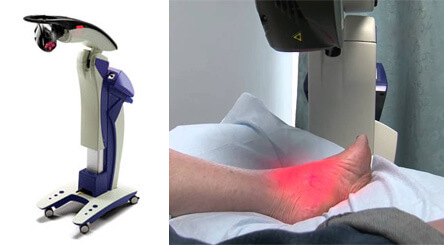
Laser Therapy for Plantar Fasciitis

Plantar fasciitis is one of the most common causes of heel pain, often resulting from inflammation in the thick band of tissue along the bottom of the foot.

Laser therapy targets this tissue directly to:

  • Reduce inflammation in the plantar fascia
  • Increase blood flow to an area with limited circulation
  • Promote tissue regeneration and healing

Clinical studies suggest that laser therapy can accelerate healing by up to 30% compared to rest and ice alone, helping patients return to normal activity more quickly—without the need for injections or prolonged downtime.

Laser Therapy for Carpal Tunnel Syndrome

Carpal Tunnel Syndrome (CTS) occurs when the median nerve becomes compressed as it passes through the wrist, leading to:

  • Tingling or “pins and needles” sensations
  • Numbness in the hands and fingers
  • Weakness and reduced grip strength

Laser therapy works by targeting both the median nerve and the surrounding inflamed tissues to:

  • Reduce swelling and internal pressure within the carpal tunnel
  • Improve nerve function
  • Support nerve regeneration

This approach helps relieve symptoms while also addressing the underlying neurological cause.

A Fast, Comfortable, and Effective Treatment

One of the biggest advantages of laser therapy is how quick and convenient the treatment is.

  • Most sessions take under 30 minutes
  • Treatments are completely painless
  • Patients often feel a gentle, soothing warmth
  • There is no downtime or recovery period

This makes laser therapy an ideal option for:

  • Busy professionals
  • Athletes
  • Anyone looking to avoid surgery or long recovery times

Advanced Technology for Better Results

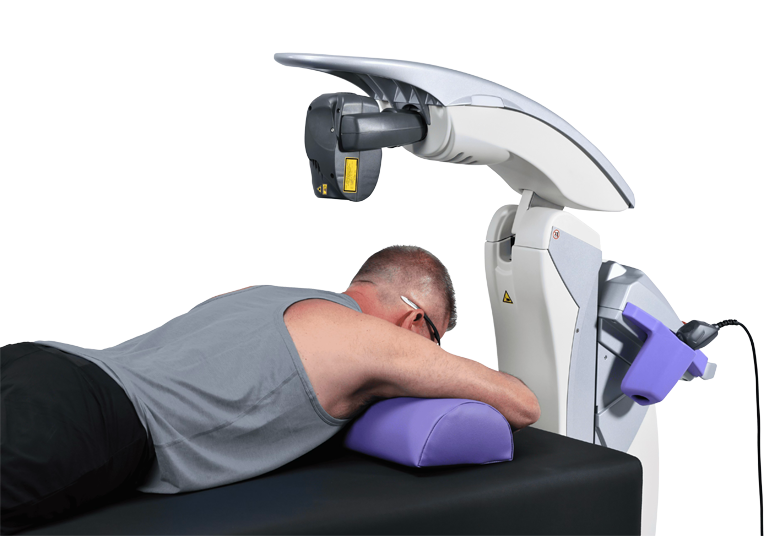
At New Hope Family Chiropractic, I utilize the cutting-edge MLS 7 Robotic Laser, designed to deliver precise, consistent energy for optimal healing outcomes.

This technology represents a true integration of physics and biology, accelerating your body’s natural ability to recover and repair damaged tissue.

Schedule Your Free Consultation

If you are dealing with plantar fasciitis, carpal tunnel syndrome, or chronic pain, there is a better, non-invasive solution available.

I invite you to schedule a free consultation to see if laser therapy is right for you.

📞 Call today: (401) 433-3600

morning stiffness

The Morning Trap – Why Early Stretching Can Worsen Back Pain

Waking up with a stiff, achy back is something many people experience. The natural instinct is to immediately stretch, reach for your toes, twist your spine, and try to “loosen things up.”

However, what most people don’t realize is that stretching too soon after waking can actually increase their risk of injury and worsen back pain.

Why Your Back Feels Stiff in the Morning

During sleep, your spinal discs go through a natural process called nocturnal imbibition.

This means your discs:

  • Absorb fluid overnight
  • Expand in size
  • Reach their maximum volume and internal pressure first thing in the morning

The center of each disc, the nucleus, is approximately 85% fluid, giving it a gel-like consistency that allows your spine to move and absorb shock.

But this also means that first thing in the morning, your discs are at their most vulnerable state.

Why Early Stretching Can Be Risky

When you perform deep stretches, such as toe touches or spinal twists, on these pressurized discs, you significantly increase the risk of:

  • Disc bulges
  • Disc herniations
  • Ligament strain
  • Micro-tears in the surrounding tissues

Think of your spinal disc like a sponge that has been soaking in water overnight. If you bend or compress that sponge too quickly, it is much more likely to deform or tear.

The same concept applies to your spine.

Your Muscles Are Trying to Protect You

When your back is in pain or under stress, your body activates a natural defense mechanism called muscle guarding.

This means:

  • Muscles tighten to protect the spine
  • Your body creates stability around injured or irritated areas
  • Movement becomes more restricted to prevent further damage

When you aggressively stretch these tight muscles too early, you are essentially working against your body’s protective system.

This can trigger a rebound effect, where muscles tighten or spasm even more in response.

Why “Pushing Through It” Can Backfire

Trying to force movement or jumping into stretching—or even starting physical therapy too early after a flare-up, can:

  • Increase inflammation
  • Delay healing
  • Worsen pain
  • Create instability in the spine

In many cases, this is why patients feel worse after trying to “stretch it out” first thing in the morning.

A Better Approach: Gentle Morning Movement

Instead of aggressive stretching, the goal in the morning should be gentle mobilization.

This helps your body gradually transition from a vulnerable state to a more stable and functional one.

Better Morning Movement Options:

  • A 10-minute walk
  • Light pelvic tilts
  • Gentle, controlled movement (not deep stretching)

These movements help:

  • Pump excess fluid out of the discs
  • Improve circulation
  • Warm up muscles safely
  • Reduce stiffness without overloading the spine

Timing Matters

Giving your body time to adjust is key.

Waiting at least 60 minutes after waking before doing deeper stretching allows:

  • Disc pressure to normalize
  • Muscles to warm up
  • The spine to stabilize

This significantly reduces your risk of injury.

Don’t Ignore Early Warning Signs

Morning stiffness and mild back pain are often early warning signs of an underlying issue.

Addressing the problem early can help prevent it from turning into:

  • Chronic pain
  • Disc injuries
  • Long-term mobility issues

At New Hope Family Chiropractic, I focus on identifying the root cause of your pain and creating a treatment plan that supports healing—not just temporary relief.

Schedule Your Free Consultation

If you are experiencing morning stiffness or ongoing back discomfort, don’t wait for it to become a bigger problem.

I invite you to schedule a spinal evaluation to determine the cause and the best course of treatment.

📞 Call today: (401) 433-3600

Peripheral Neuropathy

Understanding Peripheral Neuropathy

Here is your fully formatted, copy-edited blog post—aligned with your established structure, tone, and doctor-first voice, plus SEO elements at the end.


A Comprehensive, Drug-Free Approach to Nerve Pain and Recovery

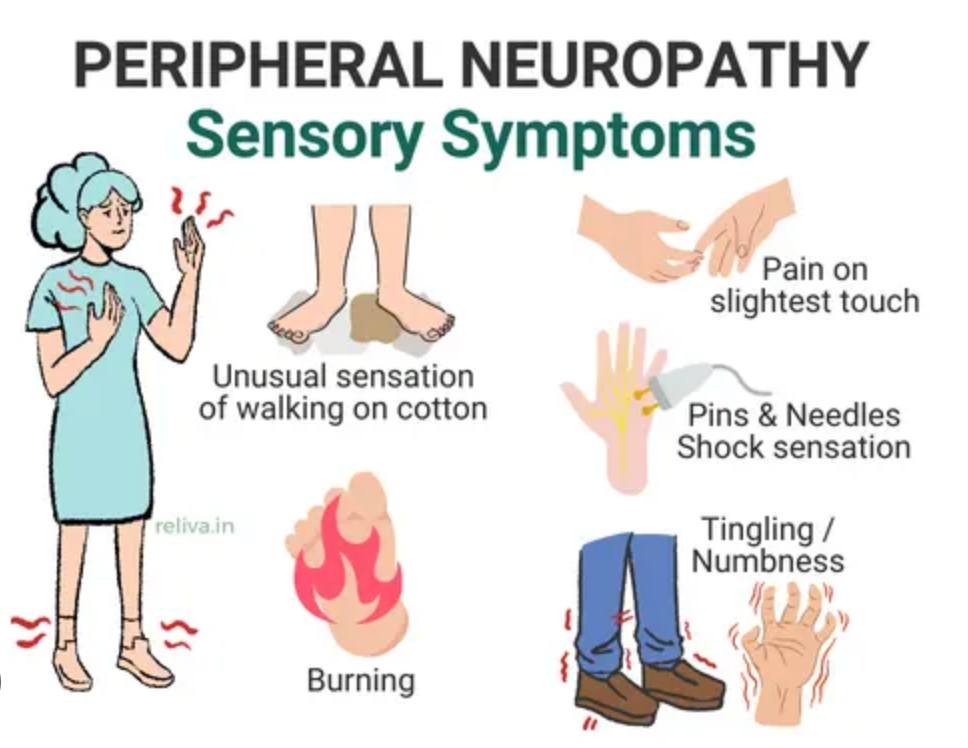
Peripheral neuropathy is a condition that occurs when the nerves outside of the brain and spinal cord—the peripheral nervous system—become damaged or disrupted.

This system acts as a messaging highway, carrying signals between the brain, spinal cord, and the rest of the body. When these nerves are not functioning properly, patients often experience symptoms in a characteristic “glove and stocking” pattern, affecting the hands and feet.

Common symptoms include:

  • Burning or stabbing pain
  • Numbness and tingling
  • Muscle weakness
  • Increased sensitivity to touch

These symptoms can significantly impact daily function, mobility, and overall quality of life.


Common Causes of Peripheral Neuropathy

There are over 100 different types of peripheral neuropathy, but most fall into two categories: acquired or inherited.

Diabetes

The leading cause of neuropathy in the United States. Chronically elevated blood sugar damages the small blood vessels that supply nutrients to the nerves.

Nutritional Deficiencies

Deficiencies in key nutrients—especially B vitamins (B1, B6, B12), Vitamin E, and copper—can lead to nerve degeneration and impaired function.

Toxins & Alcohol Use

Excessive alcohol consumption is directly toxic to nerve tissue. Exposure to heavy metals such as lead or mercury, as well as certain industrial chemicals, can also cause nerve damage.

Autoimmune Conditions

Diseases such as lupus, rheumatoid arthritis, and Guillain-Barré syndrome can cause the immune system to mistakenly attack healthy nerve tissue.

Trauma & Physical Injury

Accidents, falls, or repetitive stress (such as prolonged typing or repetitive motion) can compress, stretch, or damage nerves.


A Comprehensive Approach to Neuropathy Treatment

Successfully managing peripheral neuropathy requires a multi-layered approach that addresses both the underlying cause and the symptoms.

At New Hope Family Chiropractic, I focus on drug-free, integrative solutions that support nerve healing and improve function.


Diet & Nutritional Support

Nutrition plays a critical role in reducing inflammation and supporting nerve repair.

Anti-Inflammatory Diet

Focus on whole, nutrient-dense foods such as:

  • Leafy greens
  • Berries
  • Colorful vegetables
  • Omega-3-rich fish (salmon, sardines)

These foods help reduce pro-inflammatory cytokines, which contribute to nerve irritation and pain.

Key Supplements for Nerve Health

  • Alpha-Lipoic Acid (ALA) – Supports nerve conduction and reduces pain
  • Acetyl-L-Carnitine – Promotes cellular energy and nerve regeneration
  • B-Complex Vitamins (especially B12) – Essential for maintaining the protective myelin sheath around nerves

Laser Therapy for Nerve Repair

Class IV Laser Therapy (MLS Laser Therapy) uses targeted light wavelengths to penetrate deep into tissue and stimulate healing at the cellular level.

Through a process called photobiomodulation, laser therapy:

  • Increases ATP (cellular energy production)
  • Improves microcirculation
  • Delivers oxygen and nutrients to damaged nerves
  • Helps interrupt pain signals

This therapy supports both pain reduction and tissue repair.


Shockwave Therapy (EPAT)

Extracorporeal Pulse Activation Technology (EPAT) uses acoustic pressure waves to stimulate healing in damaged tissue.

Shockwave therapy helps:

  • Improve blood flow
  • Activate metabolic healing pathways
  • Promote new blood vessel formation (neovascularization)
  • Reduce chronic pain

Clinical studies suggest that many neuropathy patients experience significant improvement in symptoms with this treatment approach.


Electrical Analgesic Therapy

Electrical stimulation therapies, such as TENS (Transcutaneous Electrical Nerve Stimulation), provide temporary relief by blocking pain signals.

More advanced electrical treatments may also help regulate nerve activity and reduce overactive pain signaling, although these approaches primarily focus on symptom management rather than structural healing.


A Drug-Free Approach to Neuropathy Care

Peripheral neuropathy can be complex, but with the right combination of therapies, many patients experience meaningful improvement.

At New Hope Family Chiropractic, I take a comprehensive, drug-free approach that focuses on:

  • Reducing inflammation
  • Supporting nerve regeneration
  • Improving circulation
  • Restoring function

I am now certified in the treatment of Peripheral Neuropathy and am currently accepting patients seeking natural, non-invasive solutions.


Schedule Your Free Consultation

If you or someone you know is experiencing symptoms of peripheral neuropathy and looking for a drug-free approach to care, I invite you to schedule a consultation.

📞 Call today: (401) 433-3600


cod liver oil lineup

Cod Liver Oil: The Bioactive “Glue” for Tissue Repair

Supporting Recovery from the Inside Out

During the 1930s through the 1950s, both the American and UK governments actively promoted and distributed cod liver oil to children to combat rickets and Vitamin D deficiencies. This effort intensified during World War II, as it provided a cost-effective and highly efficient way to address widespread nutritional gaps.

At the time, the full range of benefits was not completely understood. Today, we know that cod liver oil is far more than a basic supplement—it is a powerful tool for tissue repair, joint health, and the control of inflammation.


What Makes Cod Liver Oil Different?

While many people are familiar with standard fish oil, cod liver oil is uniquely potent because of where it is sourced.

Unlike traditional fish oil, which is extracted from the flesh of oily fish, cod liver oil is derived from the liver. This makes it exceptionally rich in fat-soluble vitamins and bioactive compounds that play a critical role in structural healing.

This combination of nutrients is rarely found together in such high concentrations, making cod liver oil a powerful addition to any recovery-focused protocol.


Omega-3 Fatty Acids: Turning Off Inflammation

One of the key components of cod liver oil is its high concentration of Omega-3 fatty acids (EPA and DHA).

These essential fats serve as building blocks for your cell membranes and play a critical role in how your body responds to injury.

When tissue is damaged, Omega-3s help produce compounds known as resolvins, which signal the body to:

  • Stop the inflammatory process

  • Transition into repair mode

  • Begin rebuilding damaged tissue

Without adequate Omega-3 levels, the body can remain stuck in a chronic inflammatory state, delaying or preventing full recovery.


Vitamin D: Strengthening the Structural Foundation

What truly sets cod liver oil apart is its high concentration of Vitamin D.

Vitamin D is not just important for bone health—it acts as a master regulator of the immune system and plays a key role in tissue repair.

It helps:

  • Support collagen production

  • Maintain cartilage health

  • Improve calcium absorption

  • Strengthen the structural integrity of joints

Many individuals with chronic joint pain are found to be deficient in Vitamin D, underscoring the nutrient’s essential role in long-term healing and recovery.


Vitamin A: Supporting Tissue Regeneration

Cod liver oil is also one of the best natural sources of Vitamin A, a powerful antioxidant that supports tissue health at a cellular level.

Vitamin A plays an important role in:

  • Cell turnover and regeneration

  • Maintaining healthy tissue lining (epithelial tissue)

  • Supporting immune function

  • Promoting the growth of new, healthy cells

This makes it especially valuable for healing tendons, ligaments, and soft tissue injuries.


Why Cod Liver Oil Matters for Recovery

When your body is healing from injury, it requires the right raw materials to rebuild effectively.

Cod liver oil provides a unique combination of nutrients that work together to:

  • Reduce inflammation

  • Support tissue repair

  • Strengthen joints and connective tissue

  • Promote long-term healing

You can think of it as the “bioactive glue” that helps your body repair and rebuild damaged structures from the inside out.


Supporting Your Healing Naturally

At New Hope Family Chiropractic, I focus on more than just relieving symptoms. True recovery requires supporting the body at every level—including nutrition, inflammation control, and tissue repair.

If you are dealing with chronic pain, joint issues, or recovering from an injury, incorporating the right nutritional support can make a significant difference in your results.

If you would like guidance on creating a comprehensive, natural approach to healing, I invite you to schedule a free consultation.

📞 Call today: (401) 433-3600

Understanding-Chronic-Inflammation

The Anti-Inflammatory Kitchen

Fueling Your Body for Recovery and Long-Term Health

Before reaching for Advil or Tylenol to manage inflammation, it’s important to understand that one of the most powerful tools for reducing pain and supporting recovery is not found in your medicine cabinet—it’s in your kitchen.

Chronic inflammation is often described as a “hidden fire” inside the body, contributing to joint stiffness, swelling, and even systemic fatigue. The good news is that your daily food choices can either fuel that fire—or help put it out.

At New Hope Family Chiropractic, I often remind patients that what they eat directly affects how their bodies heal, feel, and function.


Understanding Chronic Inflammation

Inflammation is the body’s natural response to injury or stress. However, when it becomes chronic, it can lead to ongoing pain and tissue damage.

According to experts at Johns Hopkins Medicine, dietary changes can help “dampen” inflammation by reducing the production of pro-inflammatory cytokines—the signaling proteins responsible for pain, swelling, and joint discomfort.

When you consistently choose anti-inflammatory foods, you create an internal environment that supports healing rather than irritation.


Build Your Plate with Anti-Inflammatory Foods

One of the simplest ways to reduce inflammation is by focusing on a “rainbow plate”—meals filled with a wide variety of colorful, whole foods.

Key Anti-Inflammatory Foods Include:

  • Berries (blueberries, strawberries, raspberries)

  • Leafy greens (spinach, kale, arugula)

  • Cruciferous vegetables (broccoli, cauliflower, Brussels sprouts)

  • Colorful fruits and vegetables (peppers, carrots, beets)

These foods are rich in polyphenols and antioxidants, which act as your body’s natural defense system by:

  • Neutralizing free radicals

  • Reducing oxidative stress

  • Protecting cells from damage

The more color and variety you include in your diet, the broader the range of protection you provide your body.


Foods That Trigger Inflammation

Just as important as what you add to your diet is what you remove.

The standard American diet is heavily composed of foods that promote inflammation and can worsen pain, slow recovery, and contribute to chronic conditions.

Common Inflammatory Foods to Limit or Avoid:

  • Sugar-sweetened beverages – soda, energy drinks, sweetened teas

  • Refined carbohydrates – white bread, pasta, pastries, white rice

  • Processed meats – bacon, sausage, hot dogs, deli meats

  • Deep-fried foods – french fries, fried chicken, donuts

  • Red meat (in excess) – burgers, steaks

  • Trans fats – margarine, packaged baked goods, microwave popcorn

  • Highly processed snacks – chips, crackers, sugary cereals

  • Excessive alcohol – contributes to systemic inflammation

  • Vegetable and seed oils (high in Omega-6) – soybean, corn, sunflower oils

  • Full-fat dairy (for some individuals) – may trigger inflammation depending on sensitivity

Reducing these foods can significantly decrease inflammation and improve how your body feels on a daily basis.


The Role of Healthy Fats in Pain and Recovery

Not all fats are created equal. The type of fat you consume plays a major role in how your body manages inflammation and joint health.

Replacing unhealthy fats with monounsaturated fats can have a powerful impact.

Better Fat Choices Include:

  • Extra virgin olive oil

  • Avocados

Olive oil, in particular, contains a natural compound called oleocanthal, which has been shown to have anti-inflammatory effects similar to ibuprofen.

These healthy fats help:

  • Reduce inflammation

  • Support joint lubrication

  • Promote overall cellular health


Create an Environment That Supports Healing

When you focus on whole, nutrient-dense, unprocessed foods, you shift your body into a state that favors repair over breakdown.

Food is not just fuel—it is information for your body.

By making intentional choices in your kitchen, you can:

  • Reduce chronic inflammation

  • Support faster recovery

  • Improve joint function

  • Increase energy levels

  • Enhance overall well-being


Start Your Recovery from the Inside Out

If you are dealing with joint pain, stiffness, or chronic inflammation, your treatment plan should go beyond symptom relief.

At New Hope Family Chiropractic, I take a comprehensive approach to care—addressing both physical treatment and lifestyle factors, including nutrition.

If you’re ready to take control of your health and reduce inflammation naturally, I invite you to schedule a free consultation to discuss your goals.

📞 Call today: (401) 433-3600

upper back pain

Conquering Upper Back Pain

A Drug-Free, Non-Surgical Approach to Lasting Relief

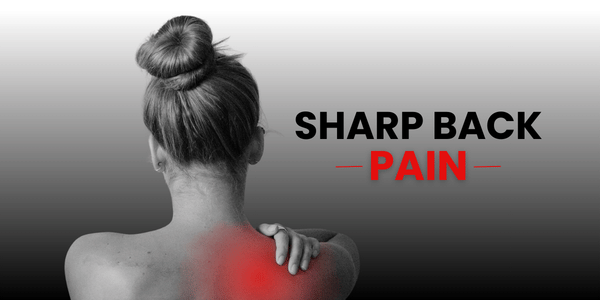
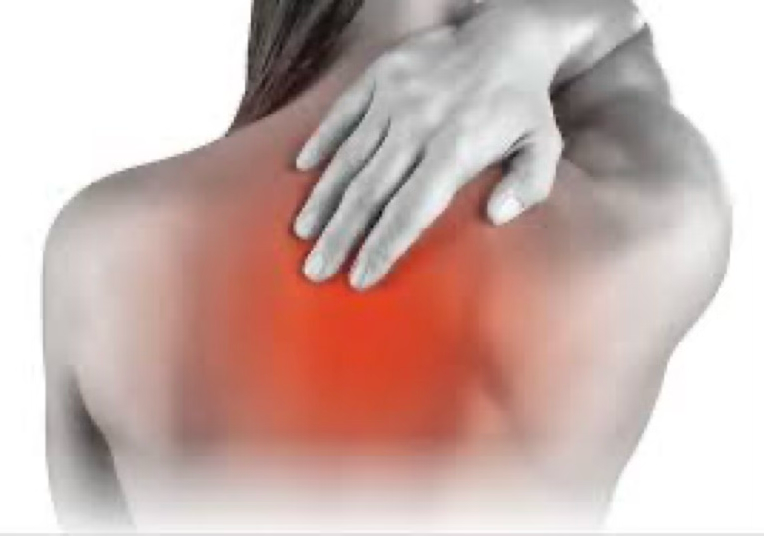
Upper back pain can feel like an unwelcome guest that refuses to leave. Whether it shows up as tight muscles, a dull ache between your shoulder blades, or a sharp stabbing knot after a long day at your desk, this type of discomfort can affect your focus, sleep, posture, and overall energy. Read more about the upper back pain treatment options provided by New Hope Family Chiropractic.

Today, the approach to treating upper back pain has evolved. Instead of simply masking symptoms with medication, many patients are turning to integrative, technology-based care that addresses the root cause of the problem.

At New Hope Family Chiropractic, I combine three powerful therapies to treat upper back pain from multiple angles:upper back pain

  • Chiropractic Care – restores structural alignment

  • Shockwave Therapy – breaks up deep muscle knots and adhesions

  • Laser Therapy – accelerates cellular healing and reduces inflammation

Together, these treatments help relieve pain while supporting long-term healing and improved function.


Chiropractic Care: Restoring Proper Spinal Alignment

Many cases of upper back pain originate from mechanical problems in the thoracic spine—the section of the spine connected to your ribs.

When these vertebrae become misaligned, they can place pressure on nearby nerves and force surrounding muscles to overcompensate.

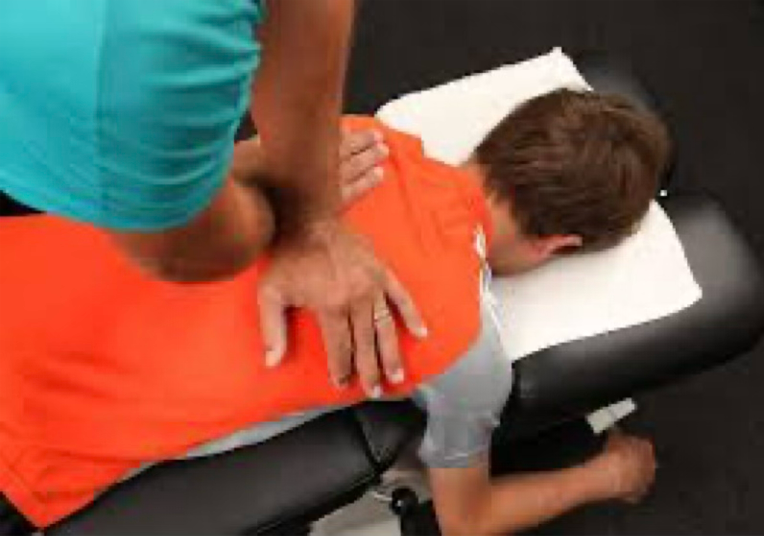
chiropractic adjustment

This can lead to:

  • Chronic muscle tension

  • Burning or throbbing pain

  • Pain between the shoulder blades

  • Discomfort that radiates into the ribs or chest

Chiropractic adjustments use precise manual techniques to restore proper alignment in the spine. By correcting these misalignments, pressure on spinal nerves is reduced and the surrounding muscles can finally relax.

Correcting the Cause

Beyond adjustments, chiropractic care also focuses on identifying the underlying habits contributing to the problem. Poor posture, prolonged computer use, and “tech neck” are common causes of upper back pain.

Your provider may recommend:

  • Ergonomic workstation changes

  • Targeted stretches

  • Strengthening exercises for the upper back and shoulders

These strategies help prevent pain from returning.


Shockwave Therapy: Breaking Up Deep Muscle Knots

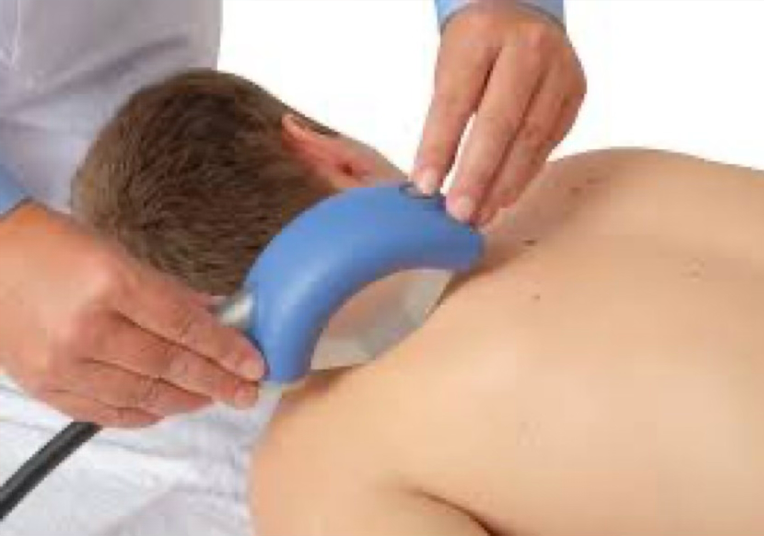
If you have ever felt a tight knot in your upper back that massage cannot fully reach, you may be dealing with deep trigger points or fibrotic scar tissue.shockwave treatment

This is where Extracorporeal Shockwave Therapy (ESWT) can be highly effective.

How Shockwave Therapy Works

A handheld device delivers high-energy acoustic waves into the affected tissue. These pulses penetrate deep into the muscle to:

  • Break up knots and adhesions

  • Disperse inflammatory substances

  • Stimulate circulation and metabolism

  • Trigger the body’s natural healing response

The therapy creates small, controlled micro-stimulations within the tissue. This signals the body to restart the healing process in areas where chronic pain has stalled recovery.

Shockwave therapy is particularly effective for:

  • Chronic muscle trigger points

  • Calcified deposits

  • Scar tissue that limits range of motion

Most chronic conditions respond best to a series of 6–12 treatments.


Laser Therapy: Stimulating Cellular Healing

While chiropractic adjustments restore structure and shockwave therapy addresses muscle knots, Class IV Laser Therapy (Photobiomodulation) works at the cellular level.laser therapy

Concentrated wavelengths of therapeutic light penetrate deep into the tissue and reach the mitochondria, the energy centers within your cells.

What Laser Therapy Does

Laser therapy helps the body heal by:

  • Increasing ATP production (cellular energy)

  • Reducing inflammation

  • Improving circulation and oxygen delivery

  • Stimulating tissue repair

  • Releasing endorphins, the body’s natural pain relievers

Many patients notice a rapid reduction in inflammation and pain, making laser therapy a soothing and effective component of treatment.


Why an Integrated Treatment Approach Works Best

The greatest advancement in modern musculoskeletal care is the synergy created when these therapies are combined.

Each treatment addresses a different aspect of the problem:

  • Shockwave Therapy breaks up physical blockages in the soft tissue

  • Chiropractic Adjustments restore spinal alignment once muscles are no longer overly tight

  • Laser Therapy reduces inflammation and accelerates tissue repair

Together, this comprehensive approach helps:

  • Relieve pain

  • Restore mobility

  • Improve posture

  • Support long-term healing

  • Prevent recurring flare-ups

Rather than simply covering up symptoms, this integrated strategy addresses the structural, mechanical, and cellular causes of upper back pain.


Schedule Your Free Consultation

If you are struggling with persistent upper back pain and want to move beyond temporary relief, an integrated upper back pain treatment approach may be the solution.

Call my office today to schedule a free, no-obligation consultation and learn whether chiropractic therapy care, shockwave therapy, and laser therapy are right for you.

401-433-3600


New Patient Special - FREE Intersegmental Table Treatments after 4th Visit.Sign Up Today!